


Philippe Juliard of Forster, a Swiss maker of precision steel profiles, made the case for steel as the ‘master of materials’: welded into almost any shape, fire- and bullet-resistant, thermally capable, and among the most recycled materials there is. Low-carbon steel, sourced above 75% recycled content, brings a profile to 0.6 kg of CO₂ per kilogram against 1.6.
Forster is a Swiss maker of precision steel profiles for windows, doors and façades, and Juliard opened by asking how many people had specified steel windows, doors or façades on a project. More hands went up than he expected, though, as he put it, there is still some work to do. The company’s line is that steel is its nature, and his argument was that steel is the master of materials. Strength and durability speak for themselves, and he tied them back to the three little pigs of the earlier Arup presentation. Beyond that it is versatile, since welding allows almost any shape; it is resistant where resistance matters, from fire to bulletproofing; it is quietly capable of advanced thermal performance, in an industry that thinks of aluminium, timber and sometimes PVC when it thinks of energy efficiency at all; and it is highly recyclable.
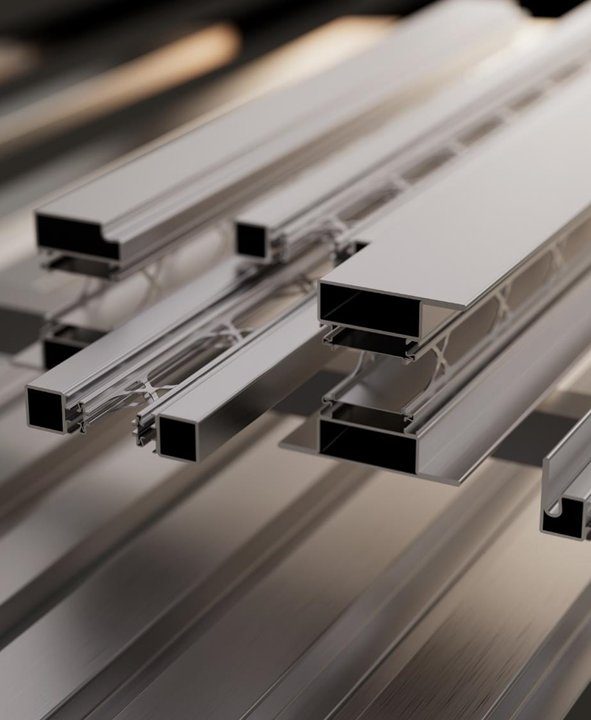
A material is only as good as its fabrication. You can put an expensive material into a project, he said, and someone fabricating it badly will ruin it, so Forster works through a network of local partners who cut the profiles, weld them and powder-coat the finishes. That expertise is what lets one material balance three demands at once: aesthetics, meaning slim visible widths and large panes that pull daylight in; performance, meaning air, water and wind ratings alongside the thermal ones that are now mandatory; and protection, such as a panic door that evacuates an airport, combined where needed with a fire rating.
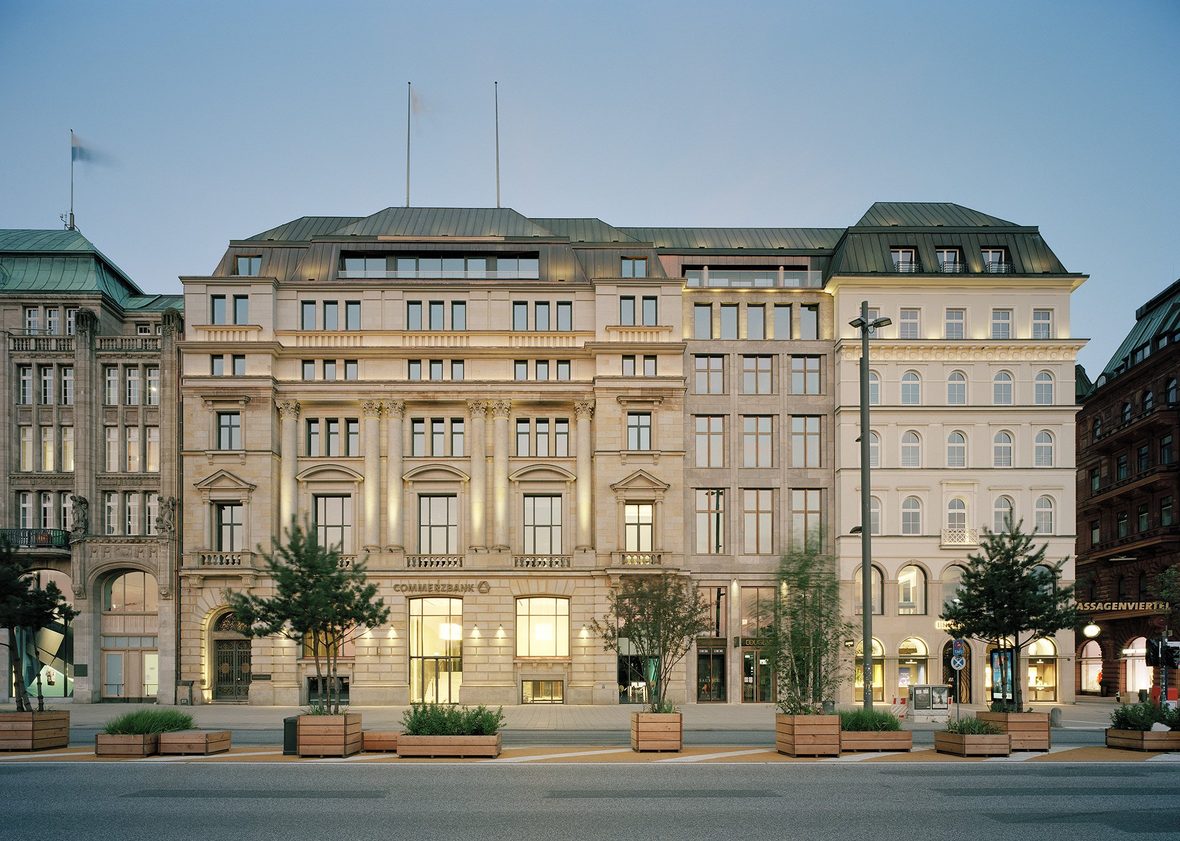
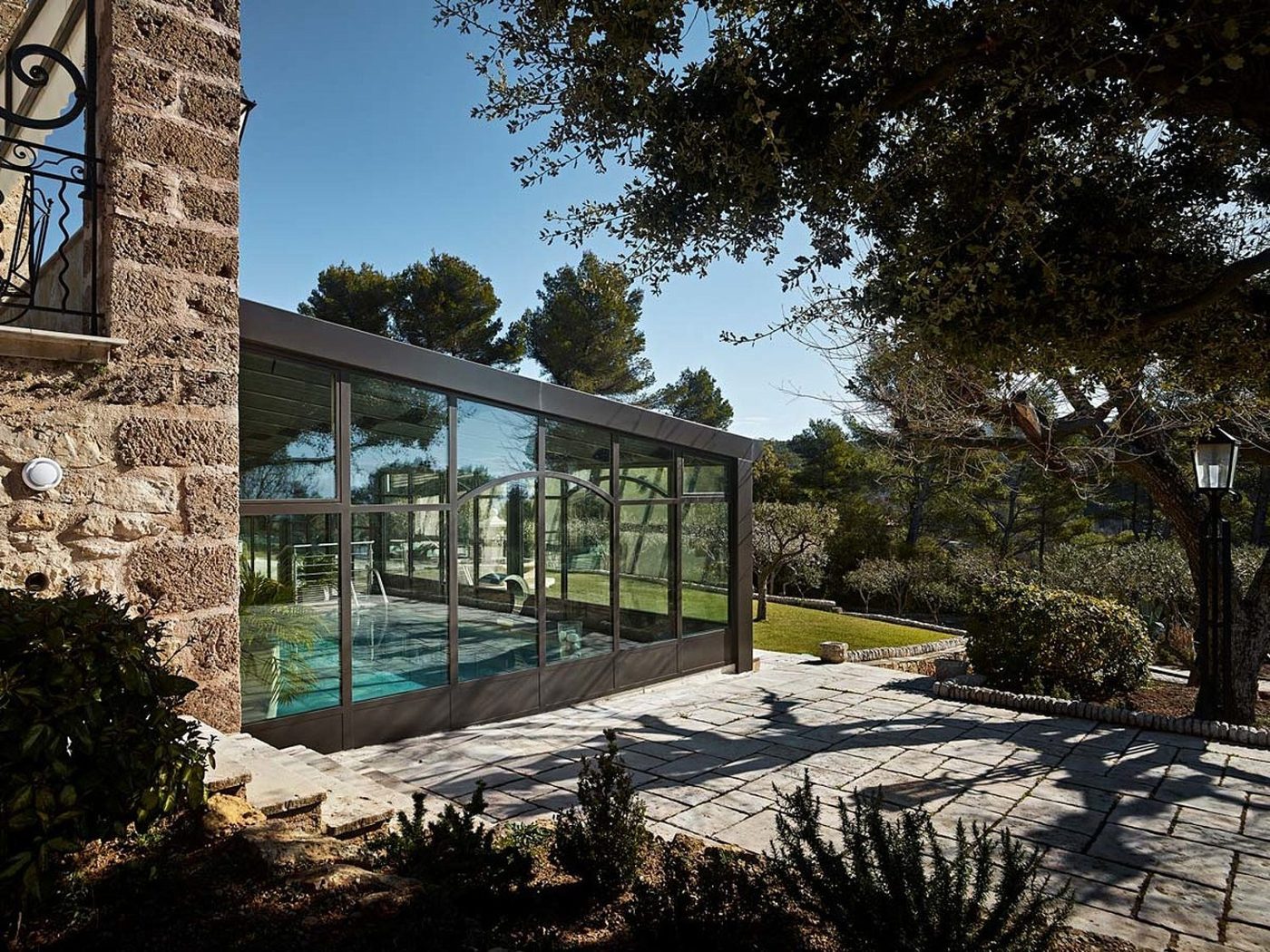
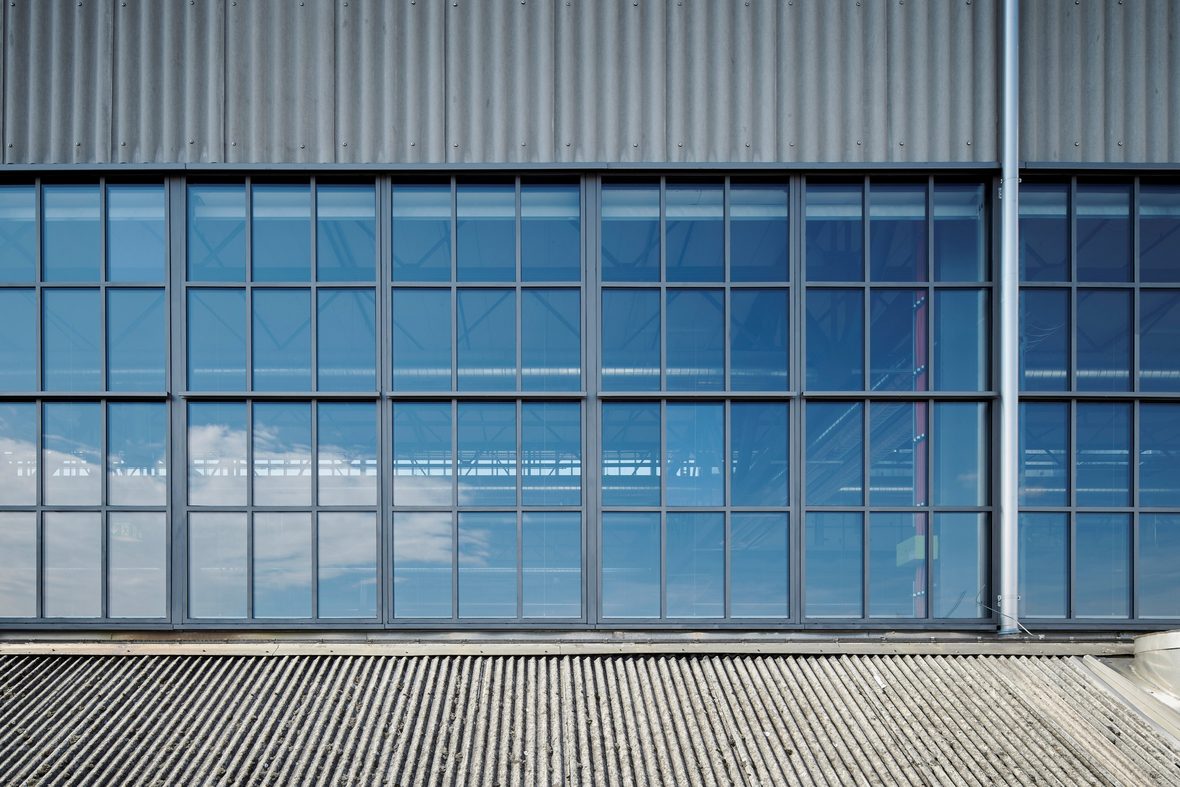
The aesthetic case is that steel imposes few limits. Because the profiles are welded, an elevation can take an arch or a triangle, and colour, finish and dimension follow the drawing rather than the catalogue, provided the structural calculations are done. He ran through cases: a building in the Netherlands maximising natural light behind the mullions that give it its order; an Australian residential project rated for bushfire; a German heritage renovation where old steel windows were replaced with thermally insulated ones without losing the slim sightlines; a French refurbishment with high-dimension doors in a curtain wall, arched and curved to suit the heritage frontage; and a US airport with strict fire requirements and long glass spans, done as an internal curtain wall with the doors integrated. The range behind them runs from curtain walls and glass roofs to windows, doors, partitions and sliding and bifolding doors.
Sustainability was the spine of it. Forster works the whole life cycle, from responsible sourcing of the raw material through to a production site opened in 2024, the company’s 150th year, certified to LEED Gold and roofed in solar, on the argument that how a profile is made matters as much as how it performs. Its systems are 100 per cent steel down to the thermal break, which is a stainless steel mesh rather than a polyamide strip, and that purity eases recycling. A steel window or façade lasts 40 or 50 years, and then the material goes back into the cycle: steel is among the most recycled materials in the world, it is never waste because it can always be remelted, and being magnetic, it sorts itself out of the waste stream. The EPDs and ISO certifications sit behind all of it.
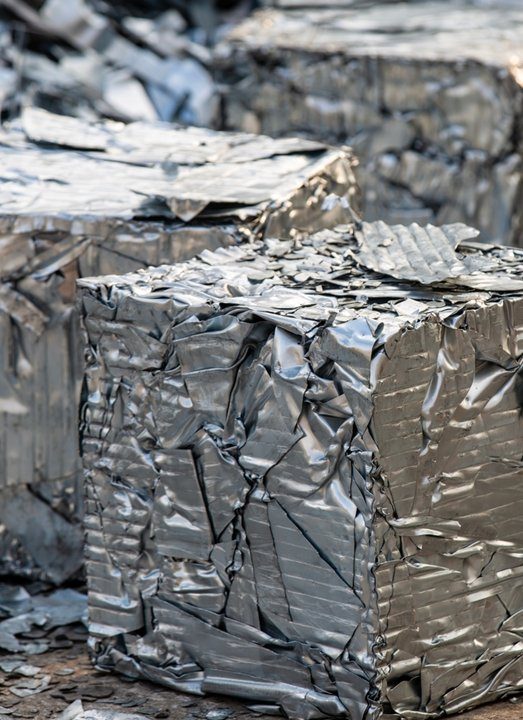
On embodied carbon the headline was low-carbon steel. Working with ArcelorMittal to source recycled steel, Forster takes recycled content above 75 per cent, against under 25 for conventional steel, which brings a profile to 0.6 kg of CO₂ per kilogram rather than 1.6. Specifying it well, he closed, comes down to the basics. Meet the regulations, with an Australian representative on hand who knows them. Size the structure for the glass, especially where the panes are large. Set the performance requirements, energy efficiency or security or acoustics, and combine them where you need to. Near the sea, hot-dip galvanise the profile for corrosion. And weigh the environmental impact of the façade you are drawing, with technical staff in Switzerland and in Australia available to look over it.