


Uday Shetty made the case for metal cladding, aluminium composite, solid aluminium and stone honeycomb, as a fast, compliant and genuinely sustainable envelope, and for the documents that prove it. He pointed to a study in which pre-coated panels were installed in half the time of a post-coated route, to the international standards a launched product must meet beyond a single national code, and to the Environmental Product Declaration as the defence against greenwashing, with the warning that a certificate earns nothing unless a designer applies it to the right building in the right way.
He moved briskly, since fire had been covered thoroughly by the speakers before him. Viva, the maker he represents, supplies panels into some 38 countries and works across a range, aluminium composite, honeycomb (now including a stone honeycomb), and Solid X, a pre-coated solid aluminium sheet it says it was the first in India to launch, turning over around 1,500 tonnes of aluminium a month. His argument in short: metal cladding is faster, safer and more circular than its reputation suggests, and the industry ought to back that claim with evidence.
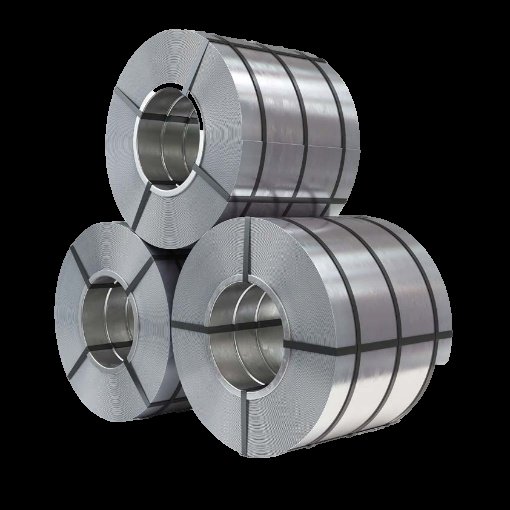
As a material, he argued, aluminium composite is sustainable on several counts at once, good thermal efficiency, recyclable and circular, with aluminium and core recycled many times over, lead-free and eco-friendly coatings, a lightweight advantage, faster construction, low maintenance and a long life cycle. Fire-retardant core options address safety; finishes range from metallic to natural textures that can replicate a material or create a new identity; and the panels suit the rainscreen systems now widely used for moisture control and ventilation.
On construction speed he put numbers to the claim. Working with a fabricator across the UAE and India on a 5,000-square-metre project, Viva compared the cycle of finishing in a post-coating environment against a pre-coated one, in which coil-coating and fabrication happen at a single point. On fabrication efficiency and delivery combined, the pre-coated route did the job in half the time, larger panel sizes bringing design flexibility and Class A1 material bringing safety, without slowing the programme.
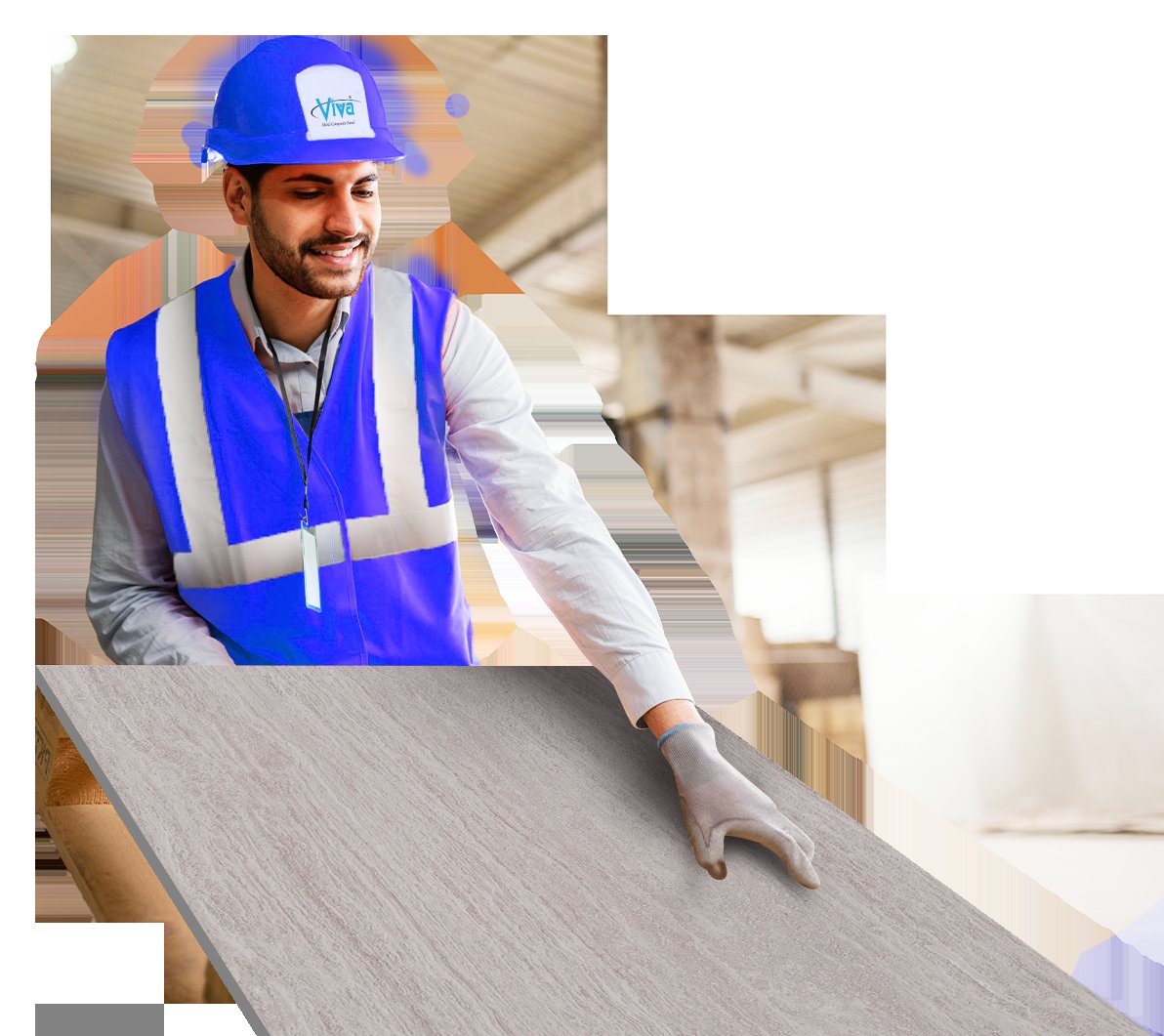
Speed, though, cannot come at the cost of compliance, and here he was insistent on international proof. He pointed to the new national code and standards’ requirement of a 70 per cent mineral core for buildings above three floors, tested to ISO 13785, and to the coil-coating world’s AAMA 2605, with its criteria for chalking, gloss retention, film thickness and corrosion, which Viva says it exceeds. Beyond those lie the EN 13501-1 fire classes from A1 downward, and NFPA 285 where it applies. His point was that when a product is launched, matching a single national code is not enough: global certification, international standards and third-party accreditation are what give a customer the confidence to invest.
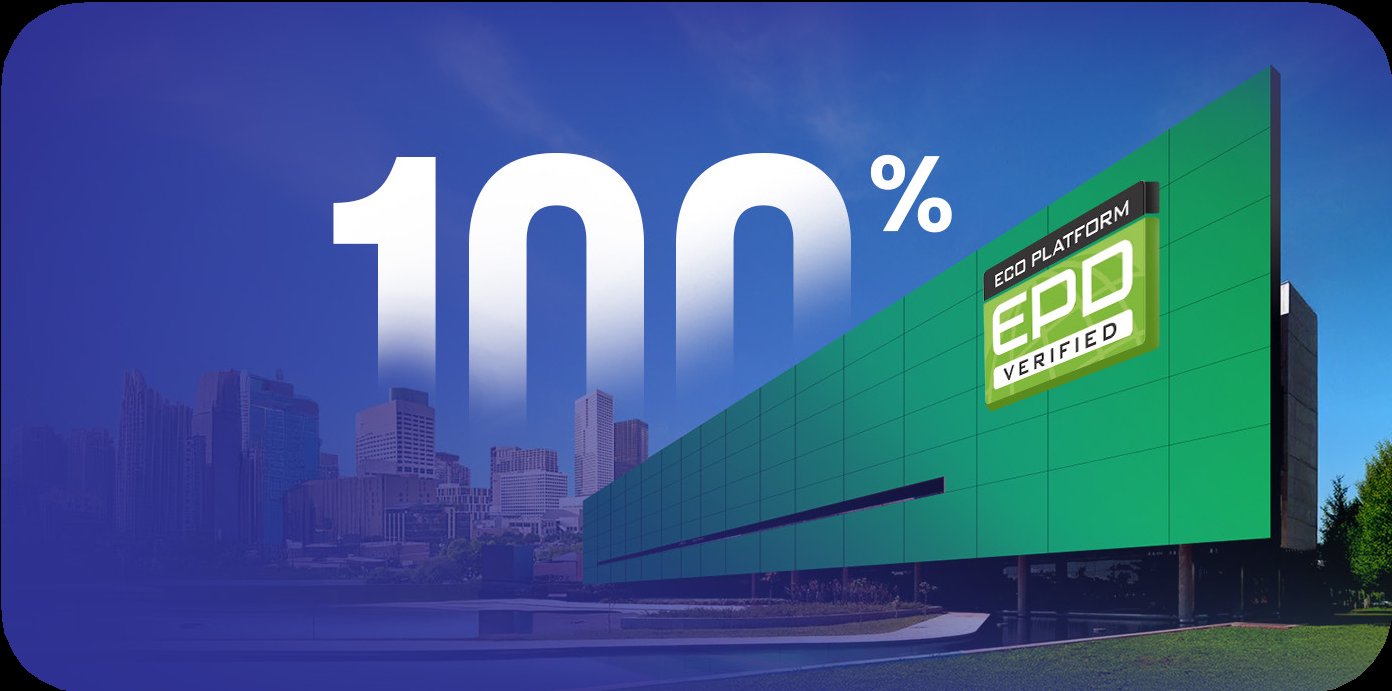
The centrepiece of that evidence is the Environmental Product Declaration, a standardised, independently verified document that communicates a product’s life-cycle environmental impact, built on a life-cycle assessment and product category rules and verified by a third party. Viva holds an EPD certified to EN 15804, which matters, he said, because it supports green certifications, reduces embodied carbon, ensures transparency and regulatory compliance, and enables circularity. His call to other manufacturers was to make the EPD a standard practice, to move from mere regulatory compliance toward product leadership, driving credibility and transparency rather than guaranteeing a sale.
But he was careful about how far a certificate goes. Green bodies such as IGBC and GRIHA convert EPD data into rating points, yet there are no fixed points for simply holding a certificate; the credits depend entirely on how effectively the product is applied in a project, with a realistic composite-panel contribution of three to five points. The warning was explicit, this must not become greenwashing, and the responsibility falls on designers and consultants to weigh applicability: what the product actually offers, and where it genuinely performs better. Design, he said, is the key to using the correct product for the correct application.

He closed on the range that carries the argument: Solid X solid aluminium, A1 fire-safe and structurally superior, in alloys such as 3003 and 5754, delivered through an end-to-end service from design and proposal to fabrication and system support; and a newly launched stone honeycomb, a six-millimetre stone face on a honeycomb backing that cuts weight, handling and transport cost while taking any stone finish. For the airports and public buildings that want flatter, lighter panels finished fast, his message held: metal cladding can be quick, safe and sustainable at once, provided the claim is backed by international certification and applied, by a designer, to the building that can actually use it.