A façade rarely fails because someone lacked skill, this Effisus session argues, but because the interfaces between trades were never coordinated. Air-tightness and weatherproofing, the speakers contend, are decided in the joints, flashings and hand-offs that no single party owns.
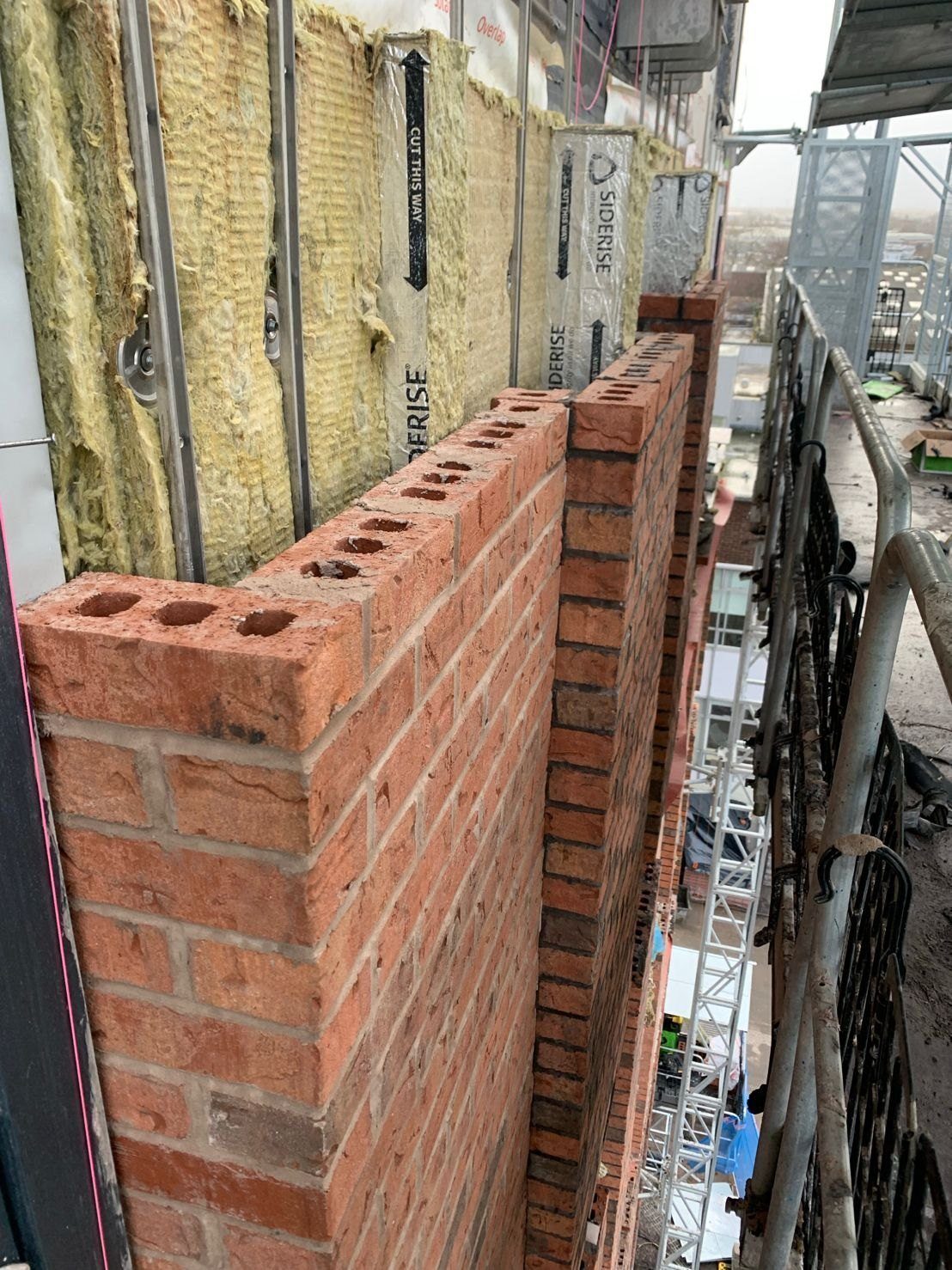
An architect's job, the discussion opens, is to imagine a world that does not yet exist; the harder job is protecting that imagination against wind, water, fire, time and cost once it is built. Over two decades the company has weatherproofed more than 3,700 projects worldwide, narrowing its focus after 2011 to non-combustible solutions as façade fires multiplied. Its concern is deliberately narrow, the building envelope's barriers and, above all, the weak points: joints, flashings and the interfaces between trades.
The cost of a leak
The case for taking those weak points seriously is made in numbers drawn from Saudi Arabia but presented as broadly typical. Poor air-tightness is blamed for 47 per cent of cooling energy lost and for water leakages on 80 per cent of projects, against an envelope air-tightness failure rate put at 65 per cent. The consequences run past energy: around 40 per cent of occupants are said to suffer sick building syndrome, with mould and respiratory symptoms among the signs, while building envelopes are credited with 18 per cent of the country's carbon emissions and roughly a tenth of a project's value lost.
The economic tail is longer still. Cumulative façade and water repairs are counted in billions of riyals, with asset depreciation accelerating by about 24 per cent, life-cycle maintenance rising some 49 per cent, insurance premiums up 65 per cent and expected tender prices up around 10 per cent. The point is that weatherproofing is not only an energy question but a health, sustainability and financial one.
A coordination gap, not a skill gap
The root cause, the speakers insist, is not competence, the skills, the products and the designs all exist, but coordination. They trace a chain in which each link loses a little of the detail: a developer focused on the big picture of, say, a five-star hotel; consultants who may overlook weatherproofing details or the relevant codes; then project managers, contractors, subcontractors, manufacturers and suppliers. A single detail missed at each step, they argue, compounds into a million-riyal problem on site.
Engineering the invisible
Effisus's answer is a framework built to break that chain earlier, in three parts. The first, "engineering the invisible", is proactive planning with architects and consultants from the outset so that intersections between trades are not overlooked. The second, fortifying the interfaces, targets the points where disciplines meet, civil against MEP, aluminium against civil, which look resolved on a drawing but generate the problems seen in execution every day. The third carries the design intent through to the site, with the company's own team present during construction to keep what was drawn connected to what is built.
Coordinated envelopes, from Ireland to the Red Sea
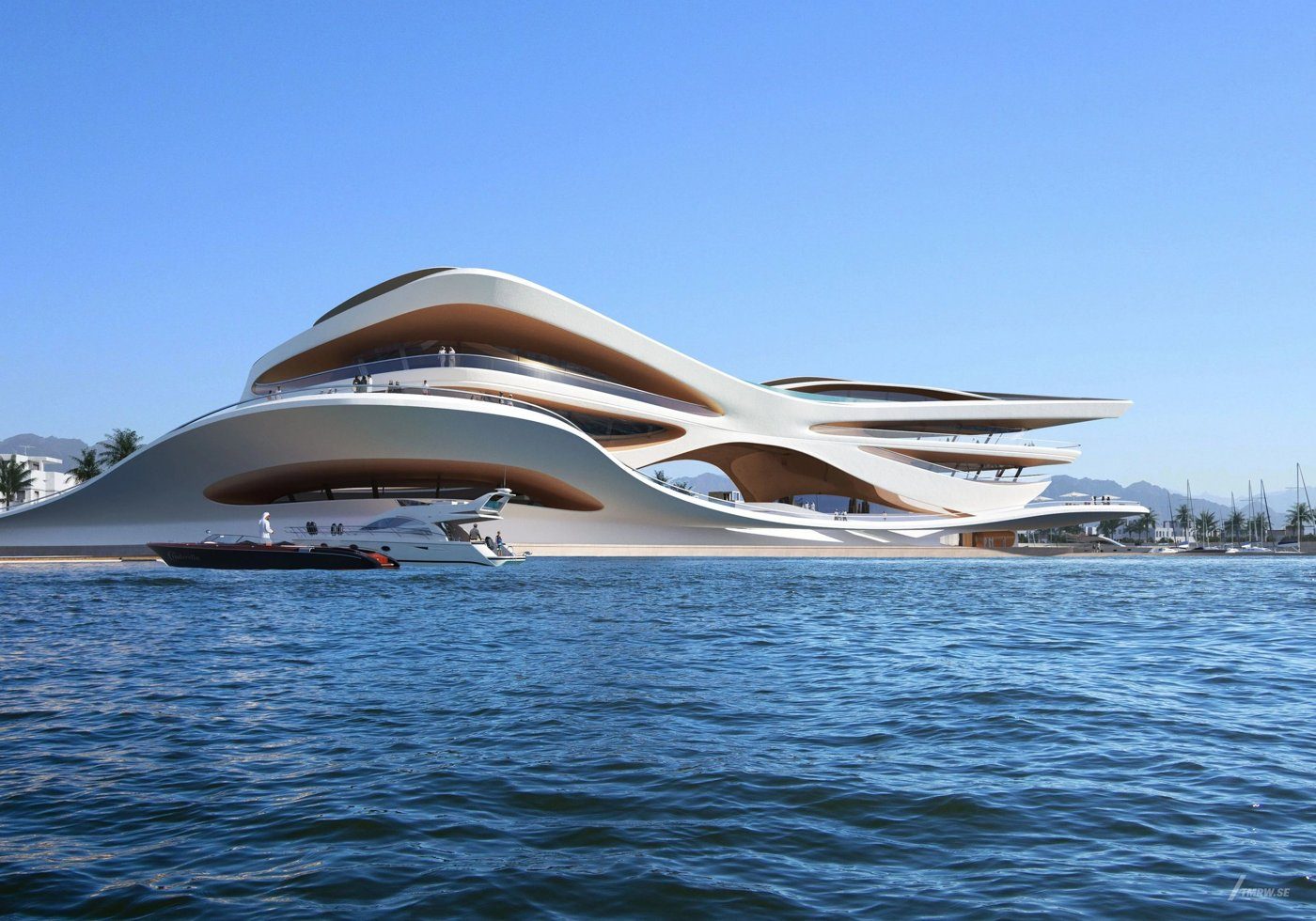
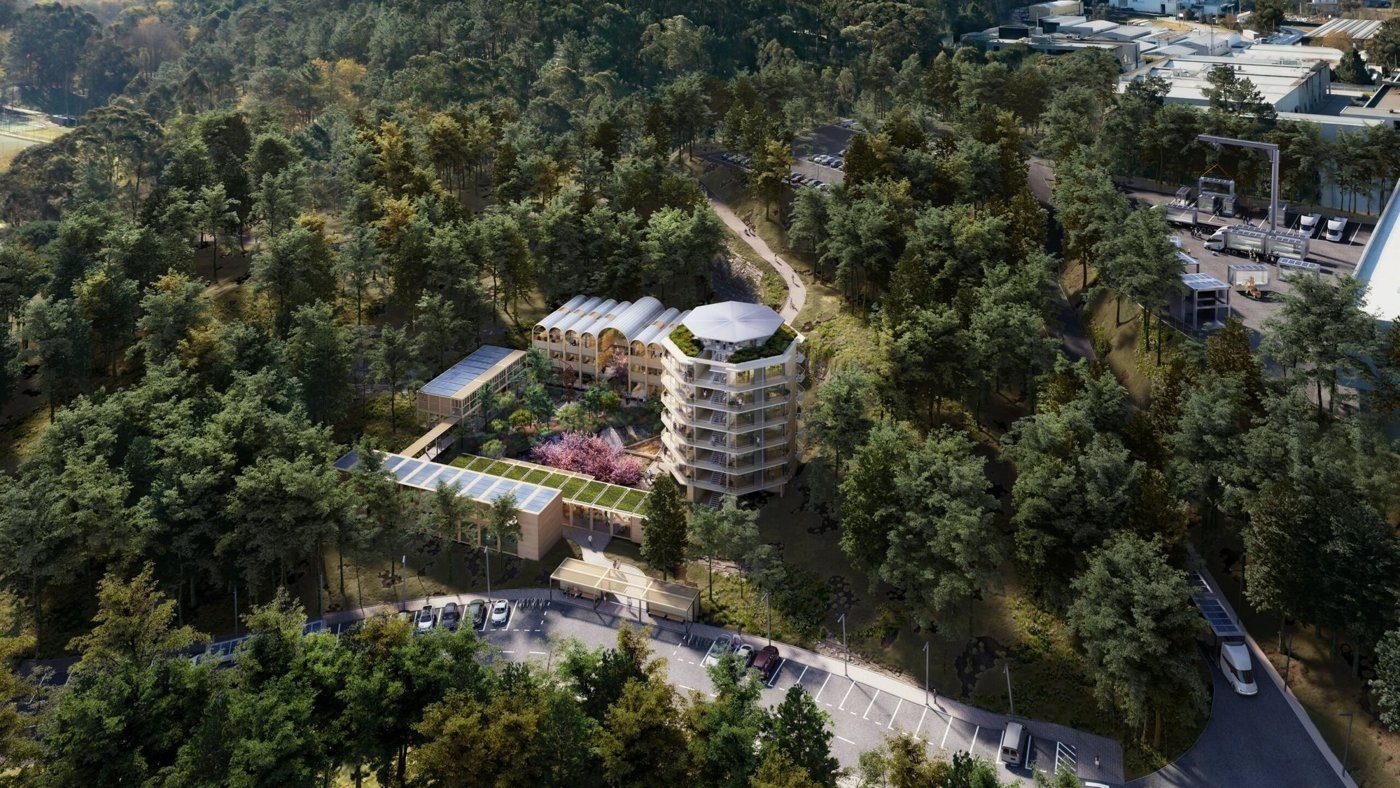
The results are shown across projects rather than claimed in the abstract. Early coordination between HVAC and aluminium contractors is credited at Google's Treasury headquarters in Ireland; the Living Lab in Portugal is offered as a modular case; and in Saudi Arabia the Red Sea Marine Life Institute is presented as a build whose complicated details could only be executed because they were coordinated early. The Riyadh Metro station at KAFD, designed by Zaha Hadid Architects, and the Triple Bay Yacht Club, beautiful outside, dense with steel columns and services within, round out the examples.
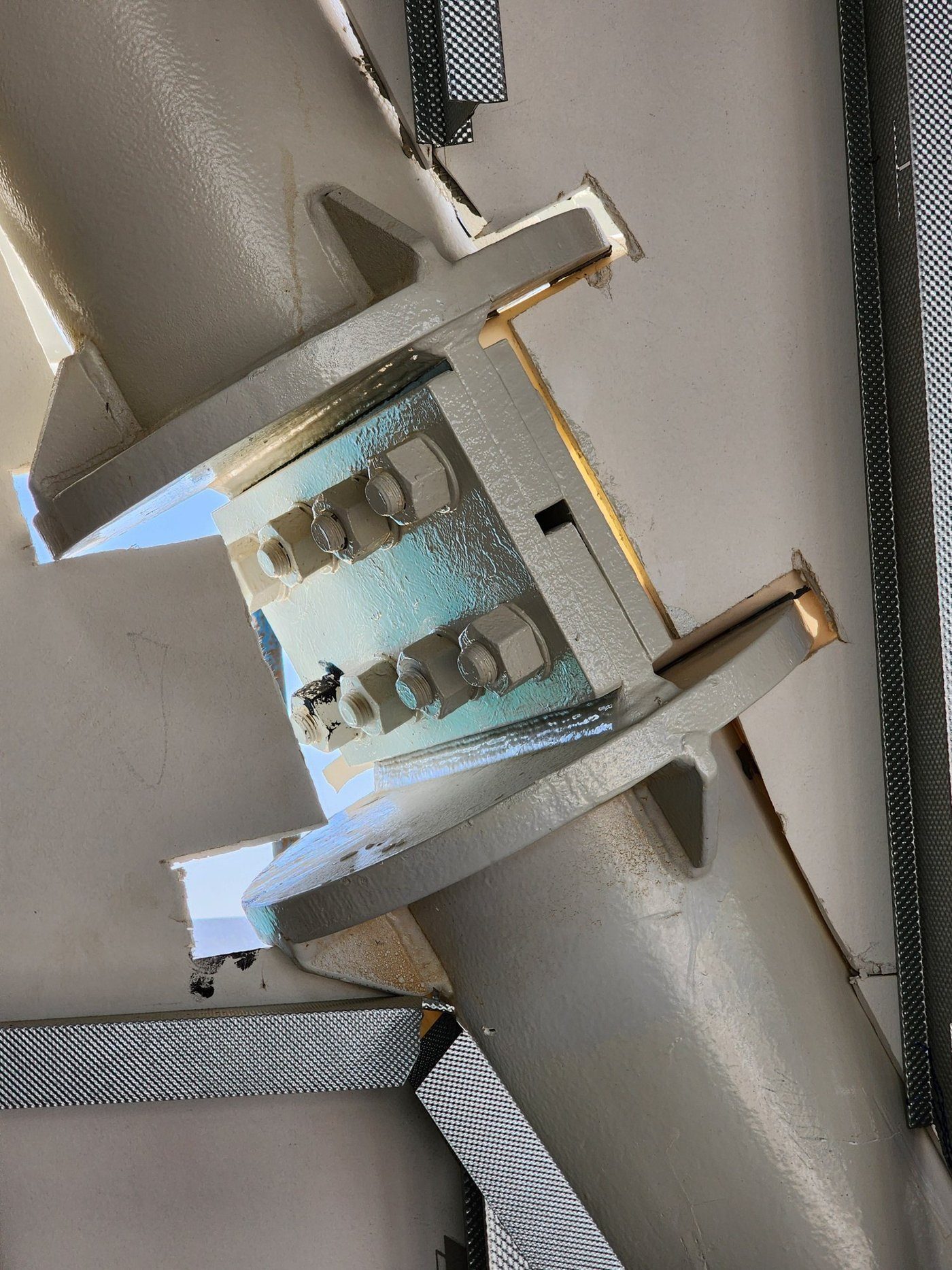
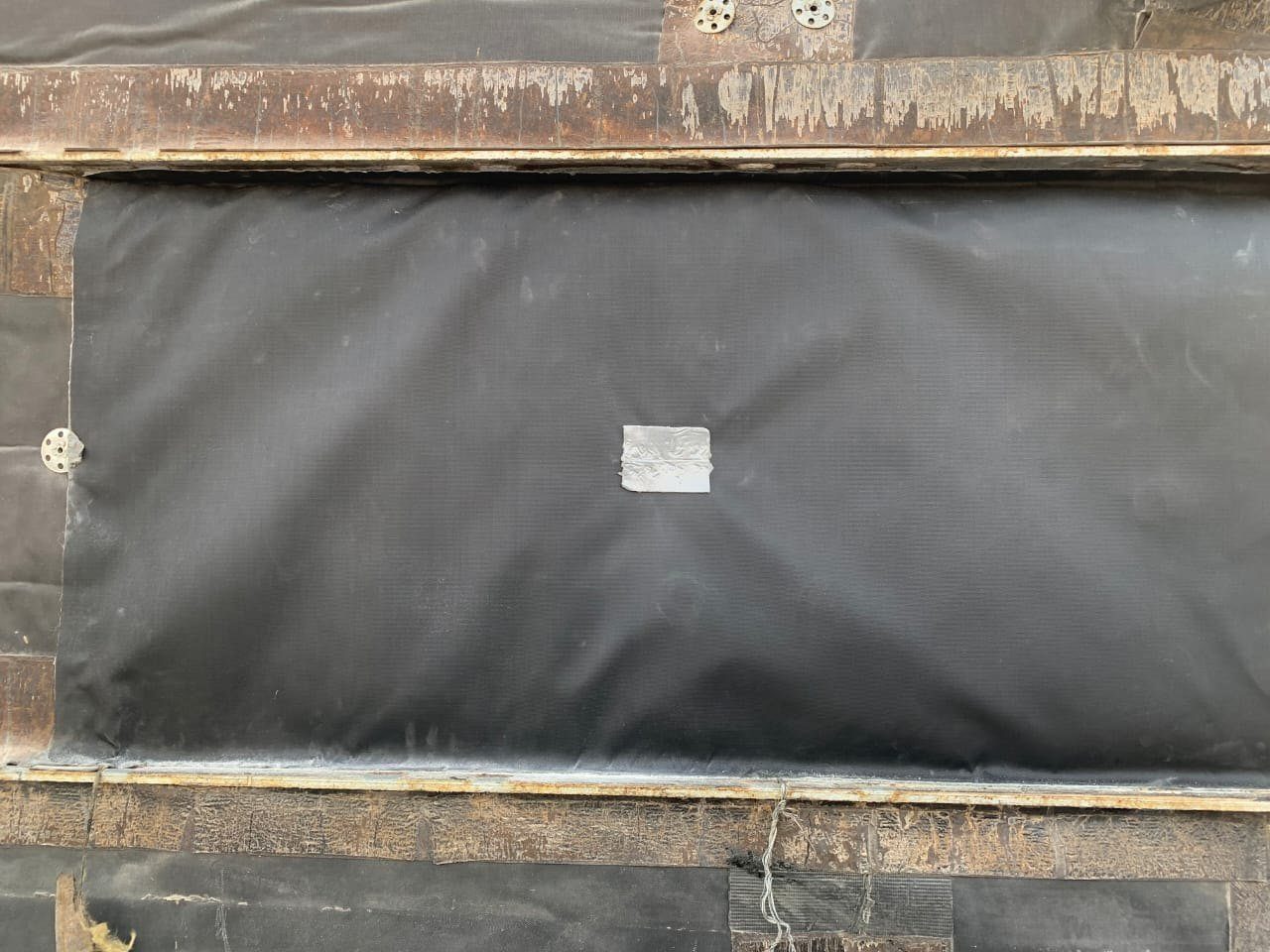
Across all of them the message is the same: a waterproofing system is only as good as its weakest point, so even a single screw, badly placed, can defeat the wall. Beyond project delivery, the company frames its role as working with architects, façade consultants, government bodies, laboratories and standards organisations to protect the original design against a harsher climate and ever more complex buildings.