


Mourad El Garci shows how parametric methods associated with aerospace-style digital production can help deliver complex façades under extreme schedule pressure. The key is to control geometry, thermal movement, fixings, gaps and fabrication data from one coordinated model.
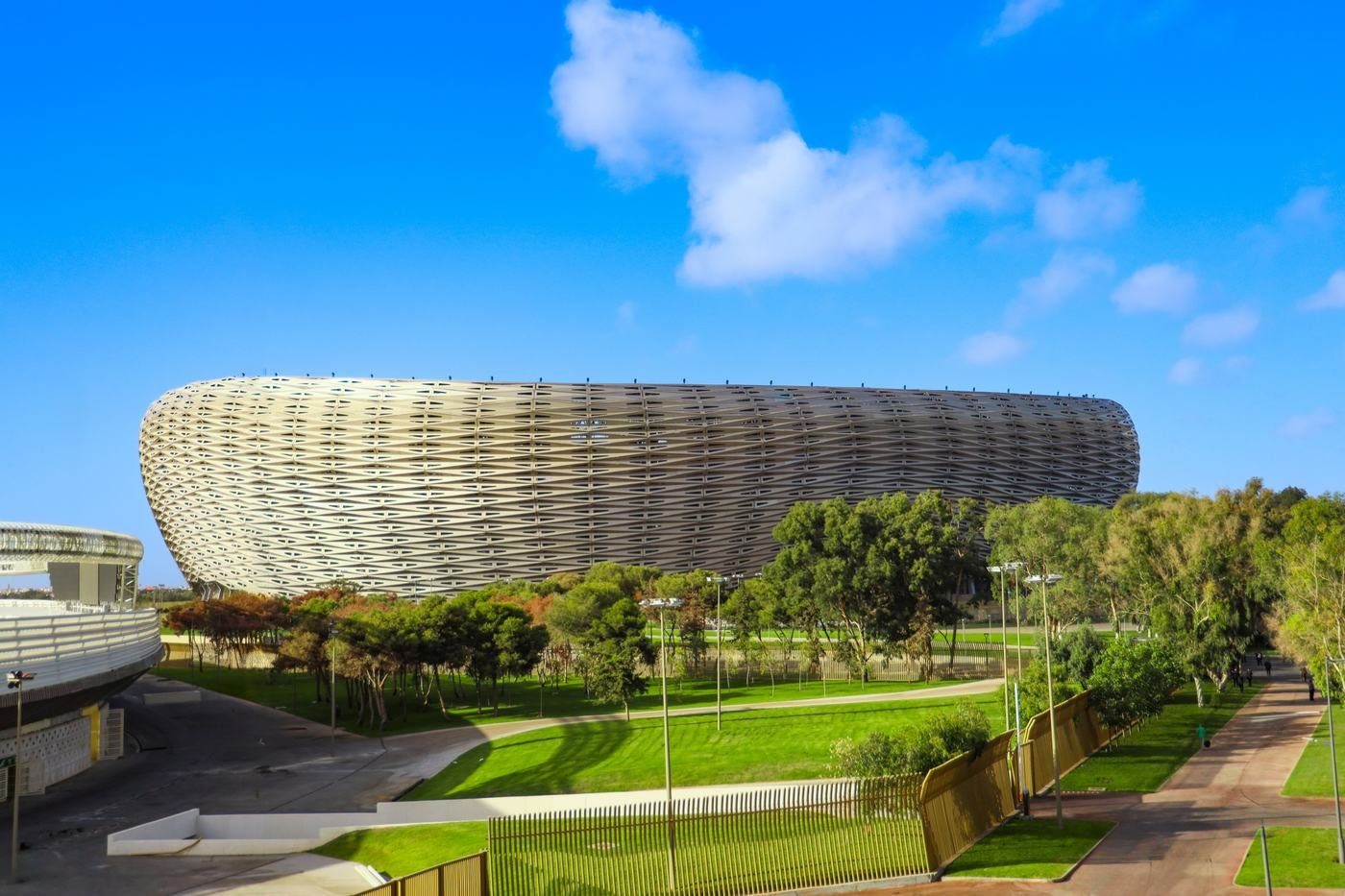
A complex façade can become a data problem long before it becomes a fabrication problem. Mourad El Garci’s case study uses an aluminium-honeycomb cladding system developed from aerospace logic to show how thousands of different panels can be delivered under a compressed programme. The material matters, but the decisive step is turning geometry, joints, fixings and tolerances into repeatable digital rules.
Lightweight panels borrow logic from aerospace
Alucoil’s LARCORE panel uses aluminium skins around a honeycomb core to create a lightweight, stiff sandwich. El Garci presents it as an A2-rated, flat and recyclable system that can be used in rainscreens, unitised and stick façades, ceilings, fins and structurally glazed assemblies. Jumbo formats reduce the number of joints but make dimensional control and handling more important. That balance became critical on a Moroccan stadium project being delivered for a major football deadline.
Nineteen thousand panels cannot be detailed one by one
The stadium façade contains about 19,000 different panels, with some pieces approaching 2 by 8 metres. El Garci describes a delivery window of roughly six months. At that scale and speed, a conventional workflow of drawing, checking and manually revising every panel would create its own programme risk.
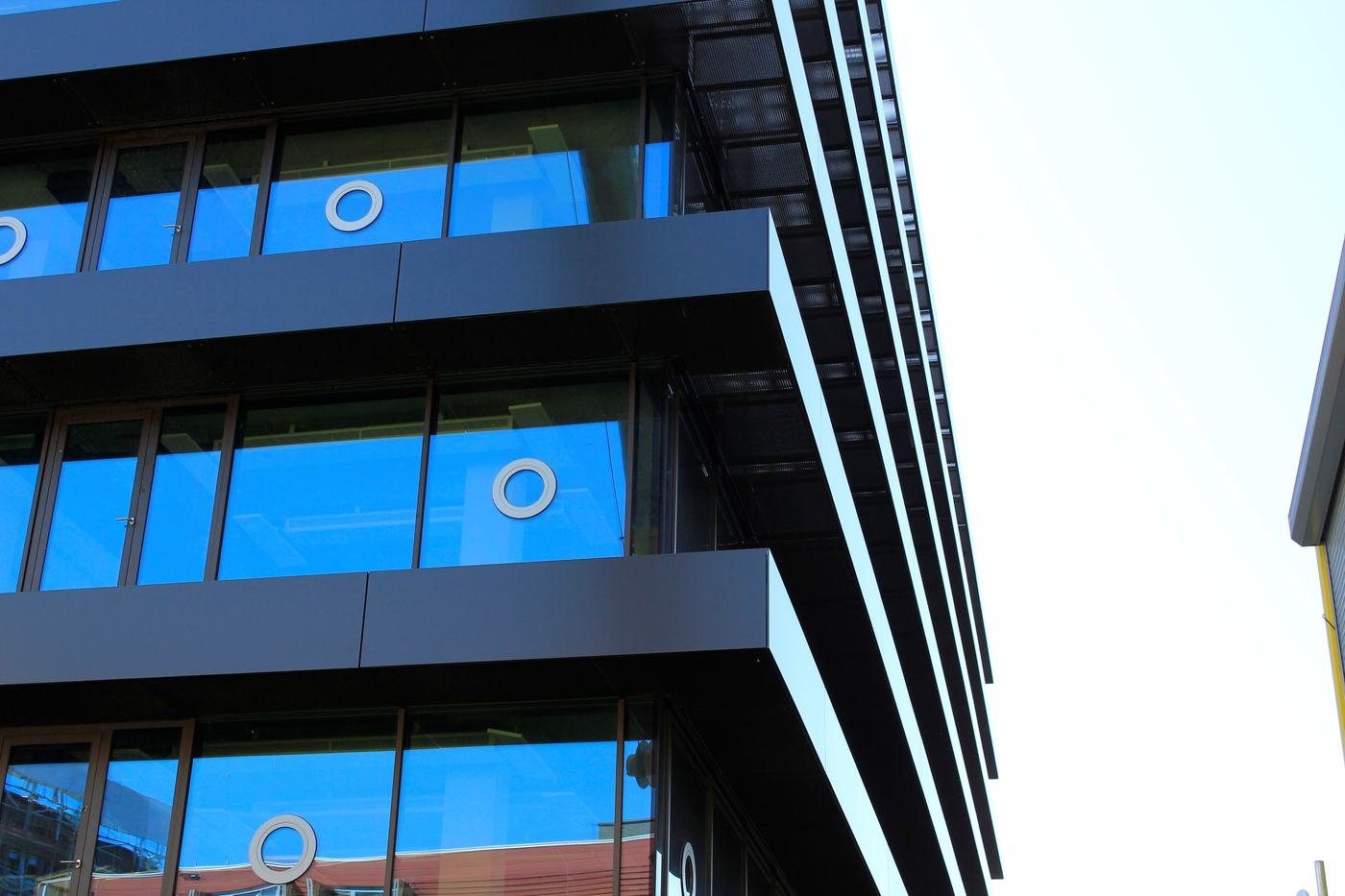
The team used parametric modelling, Grasshopper and FME to connect the architectural surface to fabrication information. Panel limits, gaps and support positions were encoded so a change to the governing model could propagate through the affected set.
The model has to carry engineering rules
Automation only works when the parameters are technically meaningful. El Garci lists thermal expansion, mechanical fixing, geometry, joint gaps and installation tolerances among the variables that had to remain coordinated. Clips also had to stay horizontal to the ground while the architectural surface curved around them.
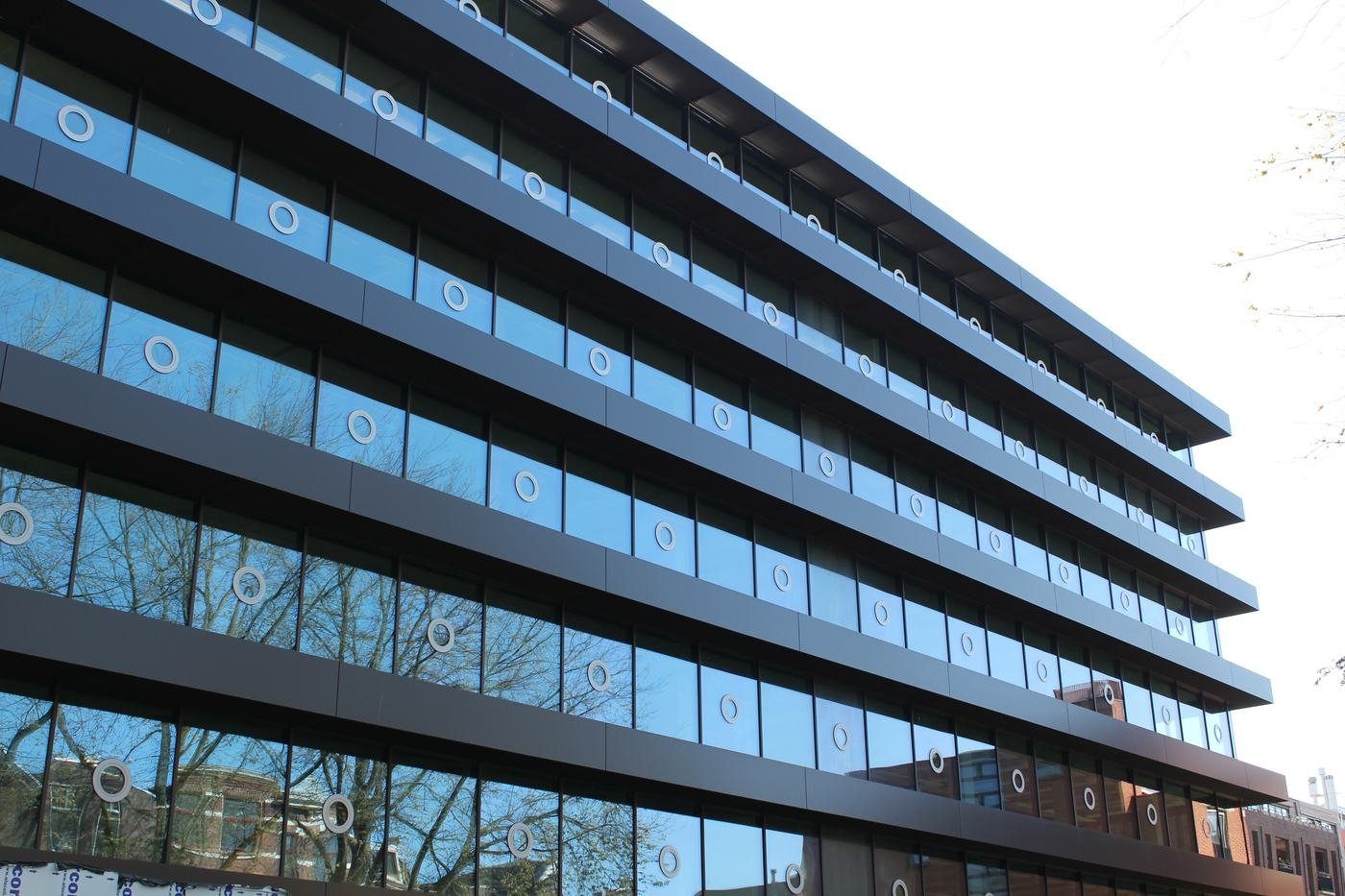
Mock-ups provided the physical check. Statistical and mechanical tests were used to validate assumptions before production accelerated. The team also had to understand how tolerances accumulated from structure to secondary frame to panel, because a façade with 19,000 pieces gives small errors many opportunities to compound.
Production capacity has to match digital ambition
Data generation is only useful if manufacturing can consume it. El Garci describes four machines capable of handling panels up to about eight metres, with fabrication files generated from the coordinated model. That link between model and machinery is where the aerospace analogy becomes practical: repeatable digital definition replaces repeated manual interpretation.
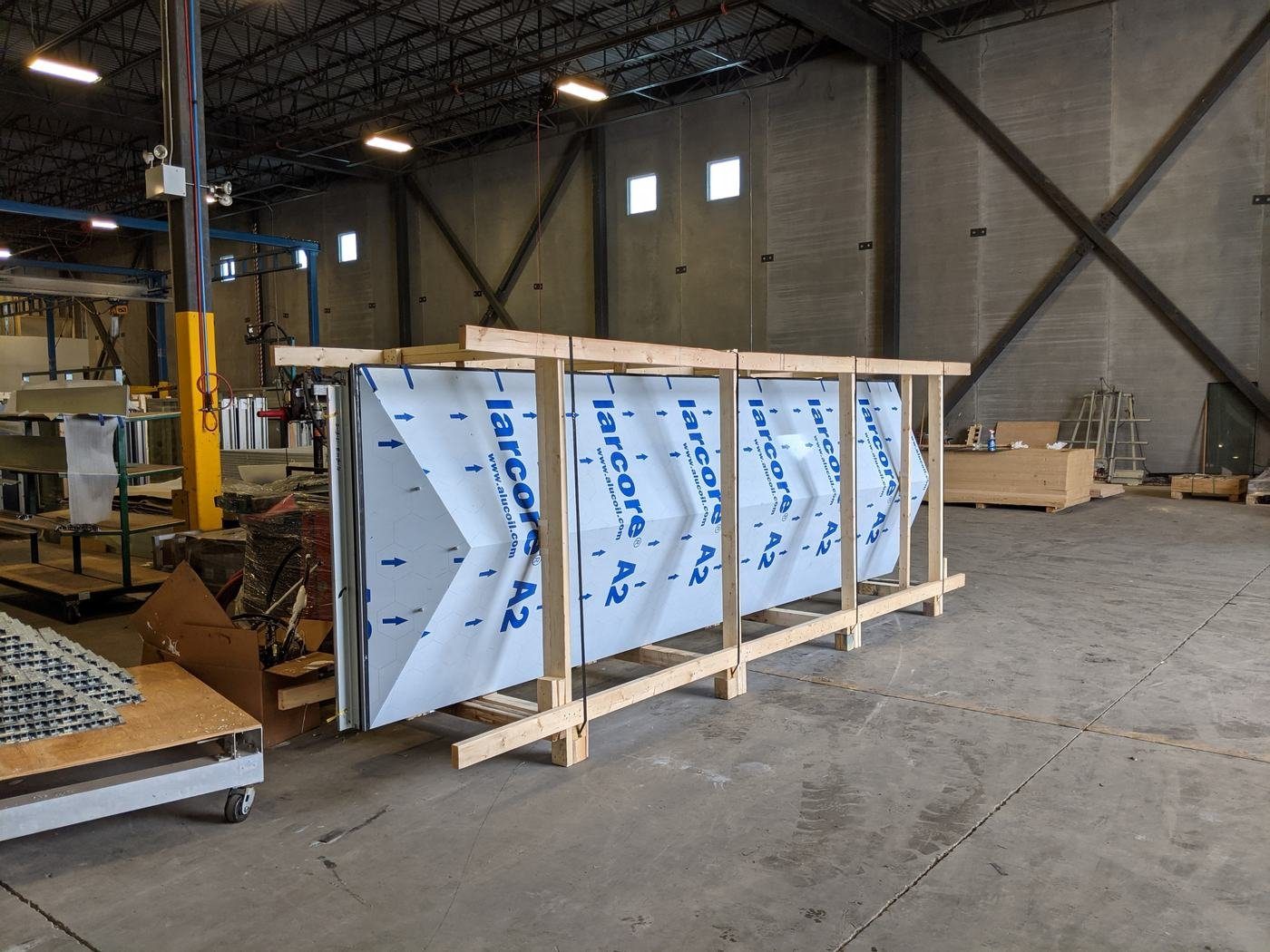
This also changes quality control. Rather than checking only a drawing against another drawing, the team can check the rule set, sample outputs and physical mock-ups, then monitor whether production stays inside those limits.
The project’s lesson is not that parametric design makes complexity effortless. It makes decisions explicit. A panel can be unique in shape while still obeying a common logic for supports, thermal movement, gap width and fabrication.
Under schedule pressure, the fastest workflow is therefore not the one that skips engineering. It is the one that captures engineering once, turns it into data and lets every downstream output use the same definition.
Logistics are part of the parametric problem
Large-format panels also have to survive the journey from machine to building. The stadium workflow therefore considered how very long pieces would be nested, labelled, lifted and installed as the model was being developed. A geometry that can be fabricated but cannot be transported or safely aligned on site is not a resolved panel. El Garci’s mock-up and sampling strategy gave the team a way to test those downstream assumptions before committing the full production run. Rather than inspect all 19,000 panels as unrelated objects, the project could validate representative families, mechanical behaviour and the governing rules, then track exceptions. That is where automation produces schedule value: it reduces the number of decisions that have to be rediscovered while keeping unusual conditions visible for human review.
This keeps digital speed tied to fabrication reality rather than treating the model as an end in itself.