


Tirana's façade challenge is, above all, a question of pace: rapid development is introducing advanced systems while maintenance, regulation, workmanship and local knowledge have to evolve just as quickly. Getting there, the speakers argue, needs stronger coordination across design, construction and ownership.
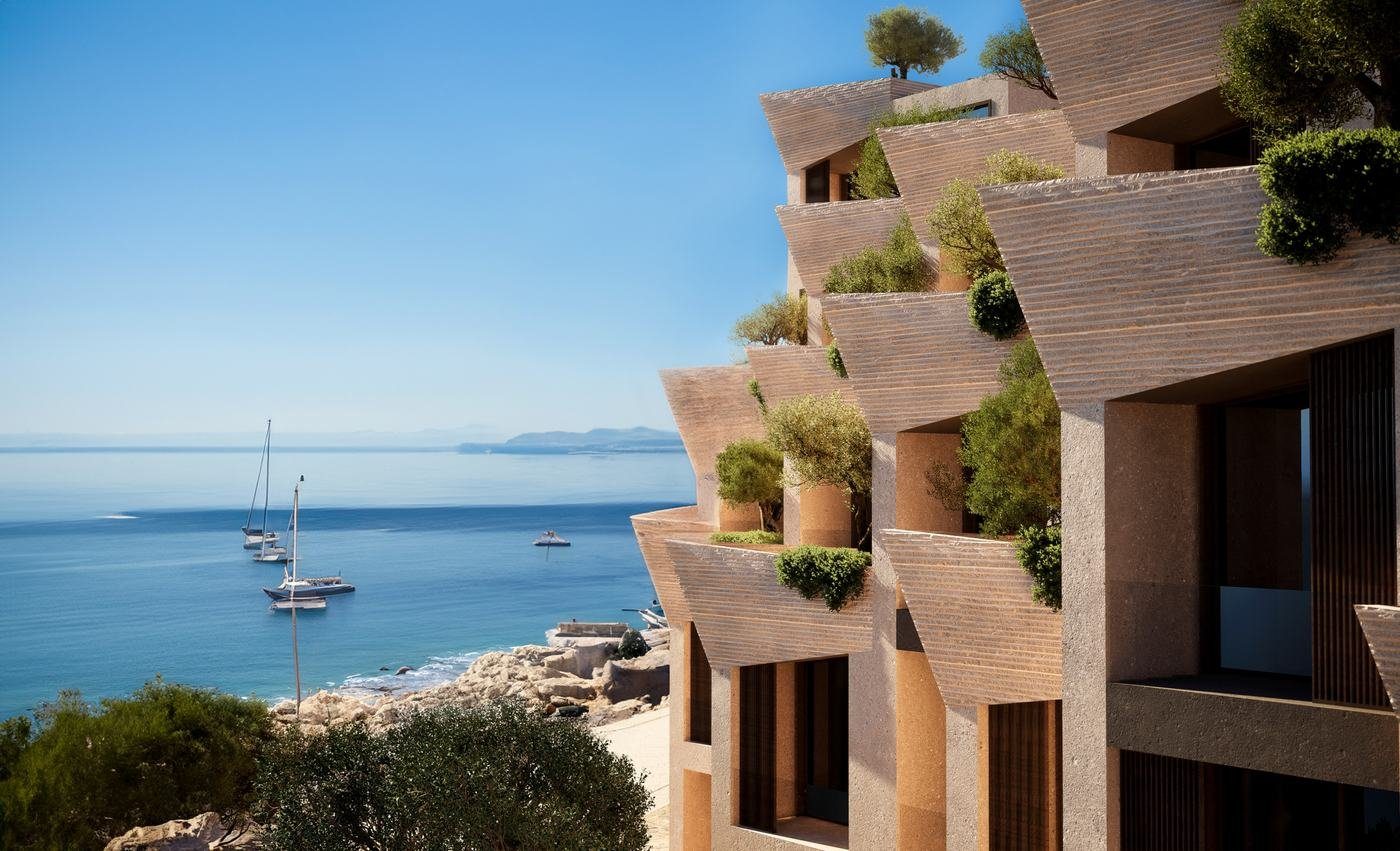
What does it mean to design façades locally while drawing on global experience? The speakers did not settle on a single “Albanian” material or style. Instead, they describe a market negotiating rapid development, ambitious international architecture, local fabrication capacity, labour shortages and the need for buildings that still feel rooted in the city.
Local capability is growing, but design has to meet it
One contributor described working from the developer and contractor side, where architectural proposals are tested for feasibility, cost, climate response and available materials from the beginning. A headquarters project in Tirana became a useful example: a stock of terracotta tiles originally purchased for another scheme was re-evaluated and incorporated into a new design. When imported stainless-steel substructure options proved too expensive, the team searched the Albanian market and found a subcontractor able to redesign and deliver the support system locally.
That is more meaningful than treating local sourcing as a slogan. A product is truly local only when the design, engineering, testing, labour and supply chain can support it at the required quality.
Quality needs intervention all the way to site
The panel also heard from projects where ambitious envelopes were achieved only through persistent material control. Speakers described control samples, mock-ups, visual mock-ups, factory inspections and site review as a continuous process rather than a set of ceremonial approvals.
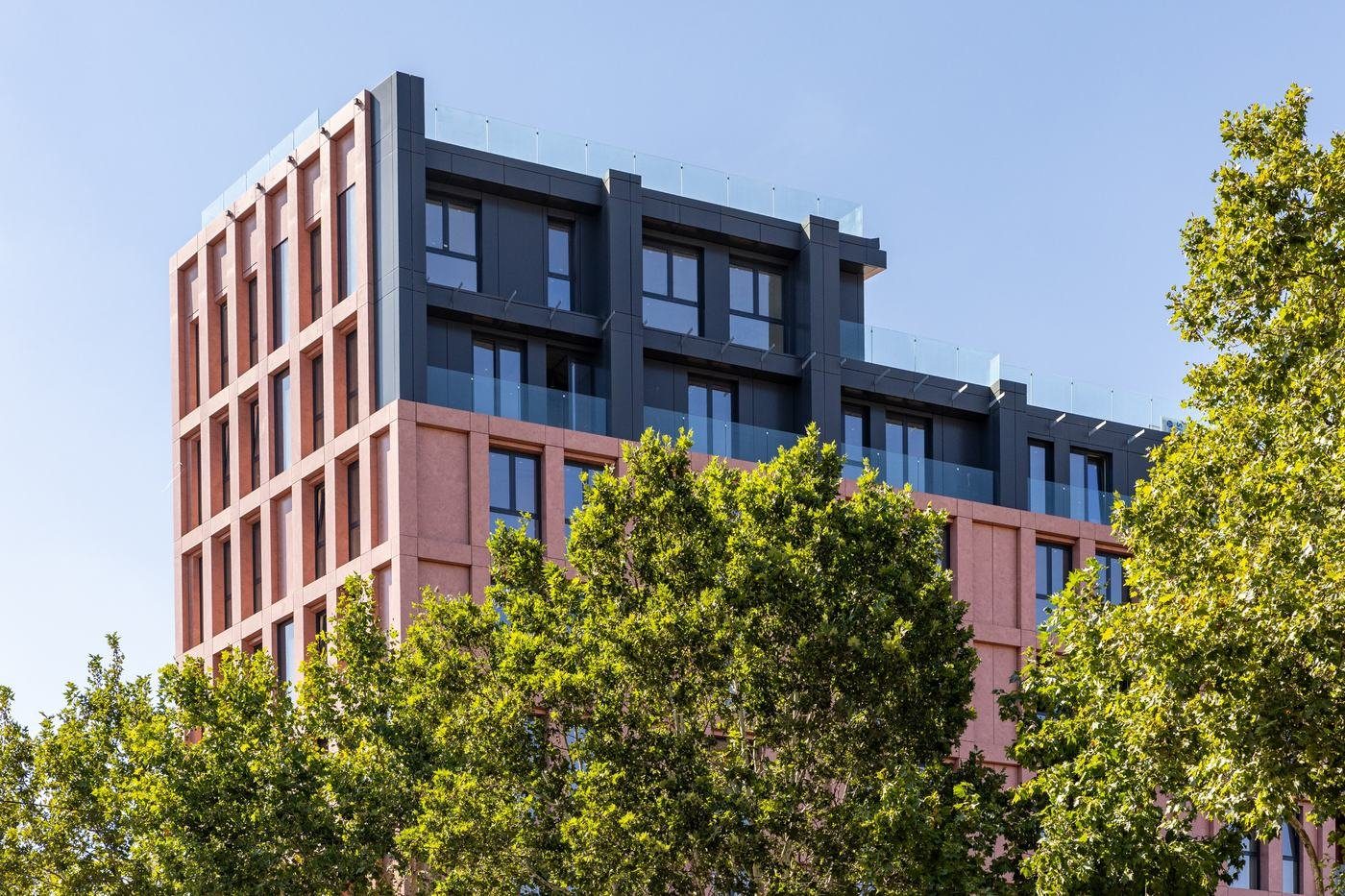
This is especially important when materials are being developed with fabricators or when the building is expected to last for a very long service life. The façade may look simple in the final photograph, but its quality depends on hundreds of decisions about finish, tolerances and repeatability.
A recurring constraint is workforce capacity. Rapid construction growth has created demand for skilled installers and fabricators, while experienced workers can move quickly between employers or countries. The panel treated training, pay and working conditions as part of the industry's technical future because sophisticated façade systems cannot be delivered reliably without skilled people on site. The shortage can also stretch programmes. One project took longer than planned not because the engineering concept failed, but because the labour needed to install it was scarce. The discussion therefore treated vocational education, training, stable working conditions and the ability to retain skilled people as technical infrastructure. Advanced curtain walls do not become local capability simply because they have been installed once; capability exists when teams can repeat the work, diagnose defects and maintain the system years later.
Global practice should build local knowledge
Several speakers rejected the idea that international firms should simply import finished solutions. The more productive model is collaboration: global designers and consultants can bring experience with testing, complex geometry or unusual systems, while local teams contribute knowledge of climate, regulation, suppliers and construction realities.
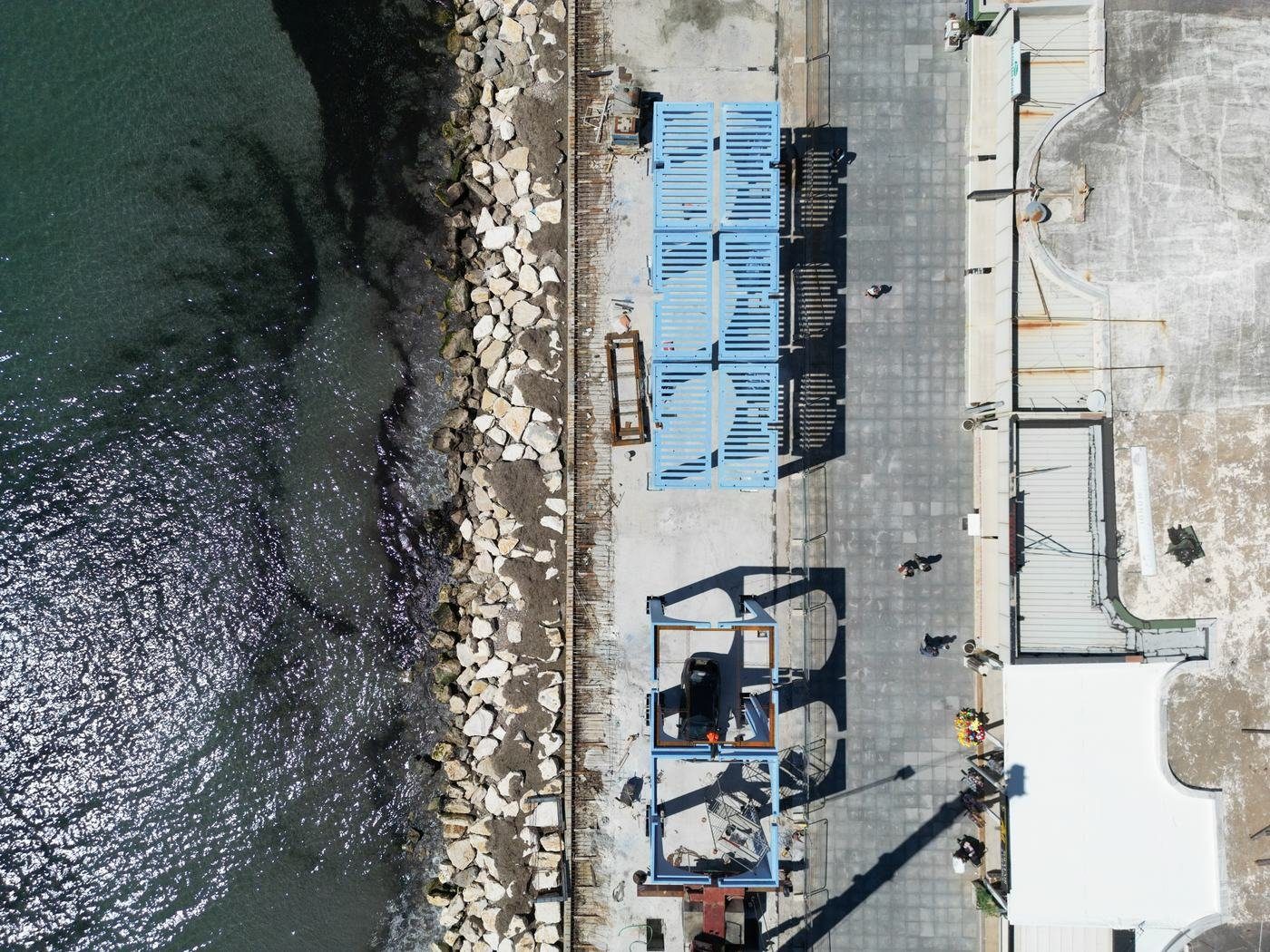
That exchange is already visible in Tirana, where international practices are working with Albanian architects, developers, contractors and suppliers on increasingly complex buildings. One panelist used a university campus in Benin to make the maintenance consequence explicit: the team deliberately sought materials made in the same city, not merely the same country, so a damaged component could be repaired in the future without recreating an international supply chain. The lesson for Tirana is that localisation is also a service-life strategy. A façade that depends on expertise or components that disappear when the foreign project team leaves is less resilient than one whose repair knowledge remains in the local market.
Identity can emerge from constraint
The conversation repeatedly returned to identity, but not as an instruction to copy historic motifs. Local character can come from reusing available materials, working with regional suppliers, responding to climate or finding a contemporary way to reinterpret cultural references.
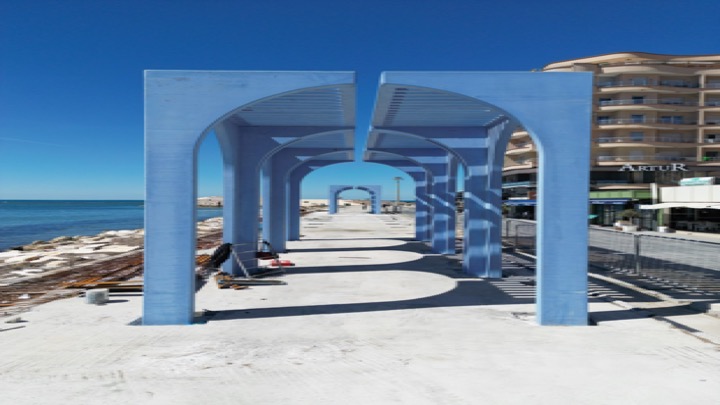
One panelist described actively searching for ceramic and stucco suppliers so that future projects can rely less on imported components. That effort affects carbon, cost and resilience, but it also changes the visual vocabulary available to designers.
Tirana needs a façade culture, not just more façades
The strongest shared message is institutional. A skyline can grow faster than the technical culture needed to design, build and maintain it. Education, specialist engineering, contractor capability, inspection and long-term stewardship need to grow at the same pace.
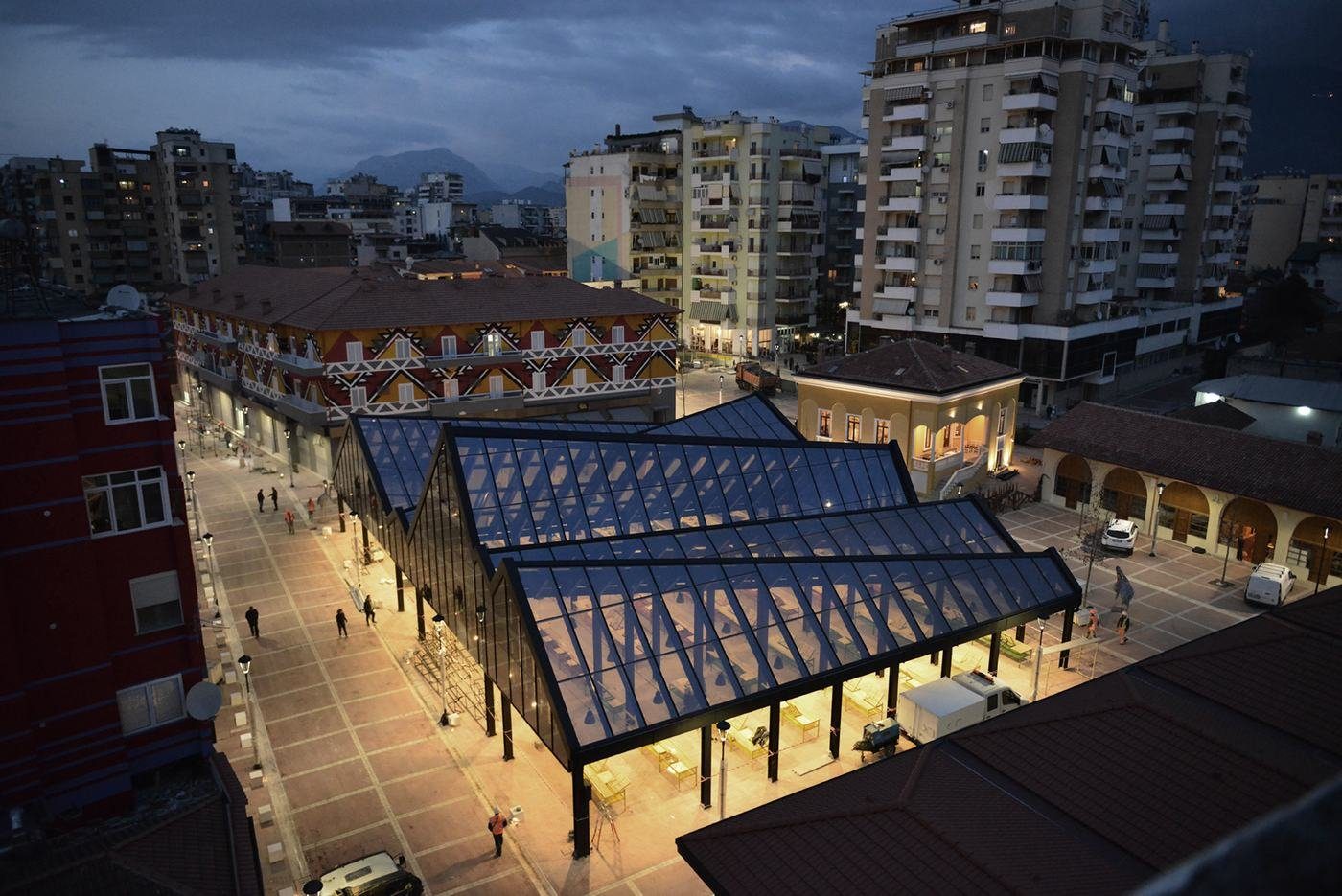
The panel therefore framed global perspective as a tool for local maturity. The goal is not to make Tirana resemble another construction market. It is to give the city enough technical depth that its new architecture can be ambitious, buildable and recognisably its own.