


Jesse Clarke shifts attention away from the visible rainscreen panel and towards the pressure, drainage and airtightness layers behind it. Weather resistance, he argues, depends on how the whole wall manages wind-driven water, drying and movement under test conditions.
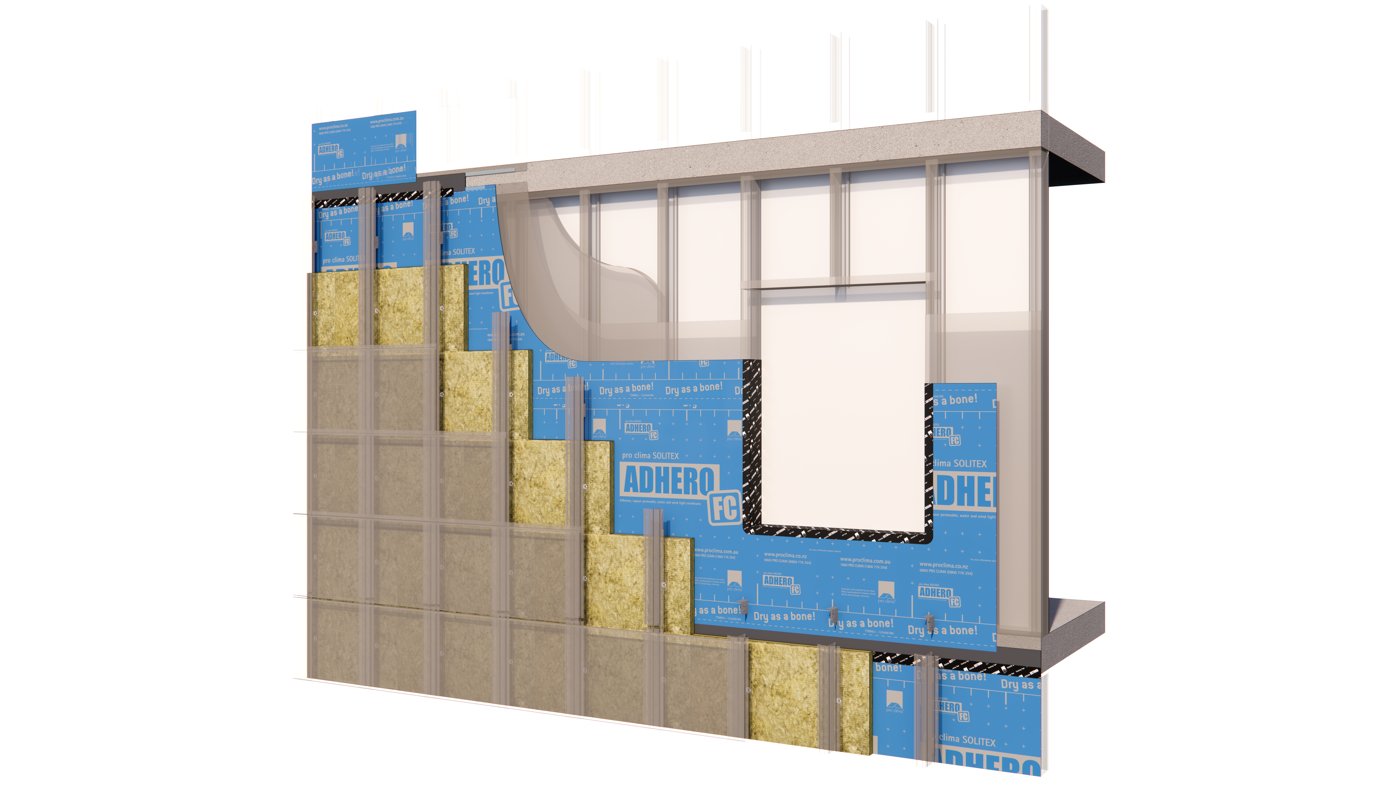
A rainscreen is often identified by its outer panels, but Clarke argues that the visible cladding is only one part of the weather-resisting system. Wind-driven rain passes through open joints, pressure changes across cavities and water can reach the layers behind the screen. The wall therefore has to be designed to stop bulk water, control air movement and still allow moisture to dry. That becomes particularly important when construction combines open-jointed cladding with flexible membranes, rigid boards, insulation and internal linings. If those layers are treated as independent products rather than as one pressure and drainage system, the façade can meet material specifications while still failing as a wall.
Clarke places this in the context of costly moisture failures in New Zealand and the wider shift towards more explicit condensation and mould control. His point is not that one membrane prevents every defect. Water can arrive from outside through wind-driven rain and from inside through vapour transport or air leakage. A successful weather-resistive layer has to sit within an assembly that understands both directions. It should prevent liquid water from entering the building while providing enough vapour openness and drying potential for moisture that does reach the cavity. The location and airtightness of each layer therefore matter as much as the nominal water-resistance of the product.
Pressure equalisation is a wall strategy
Clarke traces pressure-equalised rainscreen thinking back to research and guidance developed decades ago. The principle is simple but frequently misunderstood. Wind creates positive pressure on the windward face of a building. If the cavity behind an open-jointed cladding remains at a much lower pressure, that pressure difference can drive water through joints and openings. If air can enter the cavity in a controlled way while an airtight layer behind it holds the main pressure difference, the pressure across the cladding is reduced. Baffles, compartmentation and drainage then help prevent the cavity becoming a direct wind-and-water path across large areas of façade.
This makes the location of the airtight layer critical. Clarke notes that plasterboard can unintentionally become the tightest layer in a wall if the external construction is too leaky. In that condition, wind pressure can act through the cladding and insulation until it reaches the interior lining, carrying water deeper into the assembly than intended. A dedicated air and wind barrier closer to the outside gives the façade a deliberate pressure plane. The rainscreen can remain drained and ventilated, while the structural wall behind it is protected from uncontrolled air movement and the moisture that follows it.
Face-sealed construction takes the opposite approach by trying to keep water out at the outermost joint. Clarke is cautious about relying on that strategy because sealants live in an exposed environment of ultraviolet radiation, temperature movement and repeated wetting. A face seal can work, but its long-term performance depends heavily on workmanship, adhesion, joint geometry and maintenance. Rainscreen design accepts that some water will pass the first line of defence and gives it a route out. The difference is philosophical as much as technical: robust walls are designed around expected imperfection rather than assuming every exposed joint will remain permanently watertight.
Rigid layers still need continuity
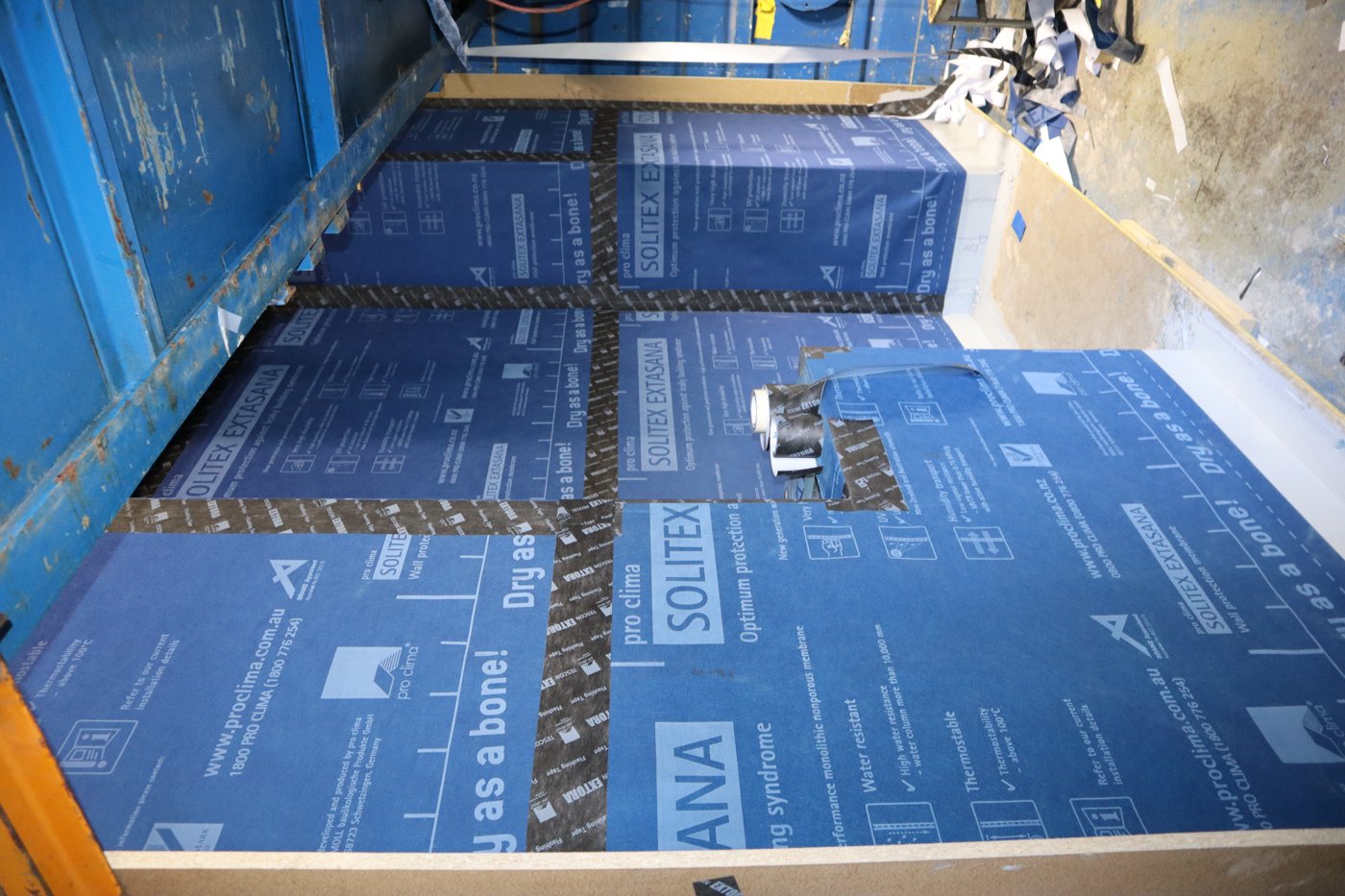
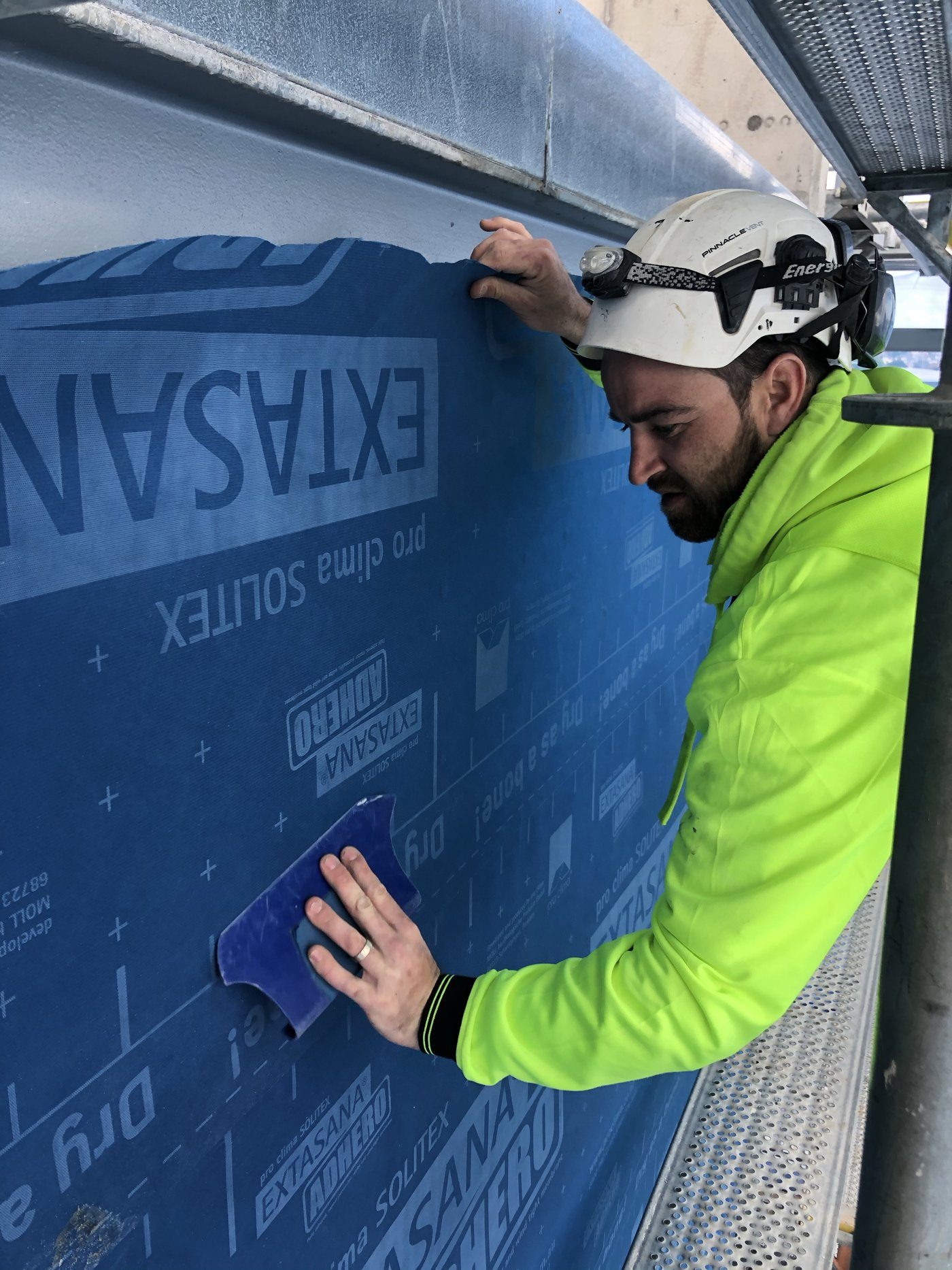
The behaviour of the backing layer under wind is another concern. Flexible membranes can deflect significantly under negative pressure, especially across wide stud spaces. Clarke contrasts that with rigid boards and fully adhered membranes that provide a more stable surface for the pressure and water-control layer. Rigidity by itself is not enough, however. Boards crack, fixings penetrate them, joints move and installation damage occurs. A continuous adhered membrane can bridge those interruptions and maintain the control layer even when the substrate is not perfectly continuous.
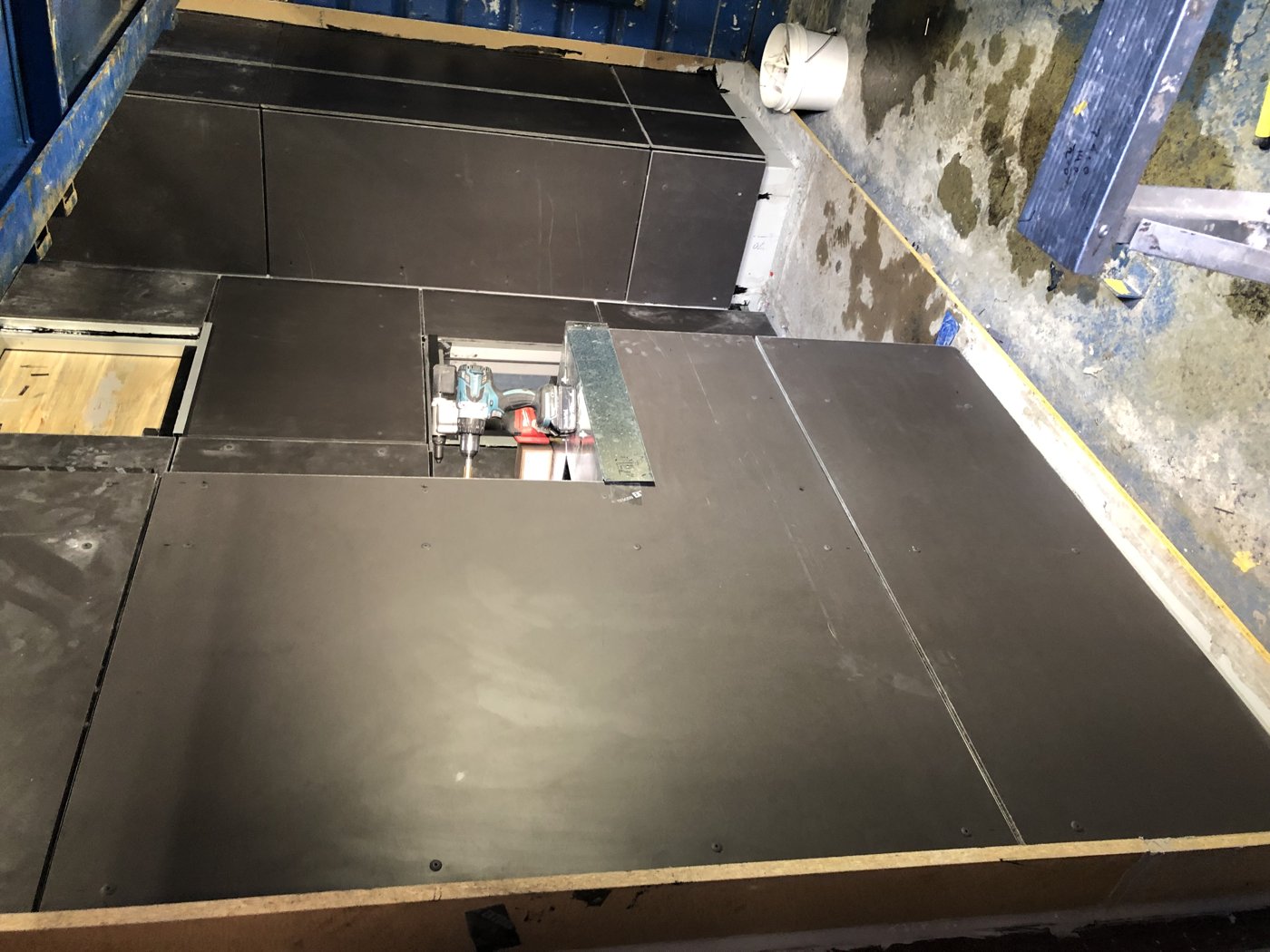
Clarke also discusses very open rainscreen joints and research intended to understand where rain actually travels. Even under severe spray, he says, a large proportion of water is shed from the front and back of the cladding or drains down the face of the exterior insulation rather than reaching the inner wall. That observation supports the idea of a layered defence: the cladding reduces exposure, the cavity drains, insulation can tolerate limited wetting where appropriate, and the membrane remains the final water-control layer. It also shows why testing only an individual sheet product reveals little about the behaviour of the completed façade.
Movement joints expose the same weakness in component-only thinking. Clarke describes vapour-permeable elastic materials intended to accommodate substantial elongation while maintaining continuity of the air and water layer. The important test is not the stated elongation percentage in isolation but whether the joint remains functional after the wall has been racked or cycled. Seismic movement, thermal movement and structural deflection can all occur before the next heavy rain. A weather barrier therefore needs to be verified after movement, not only when it is freshly installed on a static laboratory frame.
Test the assembled façade
AS 4284 testing provides Clarke with the practical conclusion. He advocates testing the full façade build-up, including cladding, cavity, membrane, fixings and interfaces, rather than treating the weather-resistive barrier as a standalone certified product. His examples include negative-pressure testing in which the substrate failed before an adhered membrane delaminated, and façade assemblies exposed to pressure after racking. Those tests reveal which layer is actually carrying load, how deflection affects joints and whether water paths emerge under combinations of conditions that are difficult to infer from material data sheets.
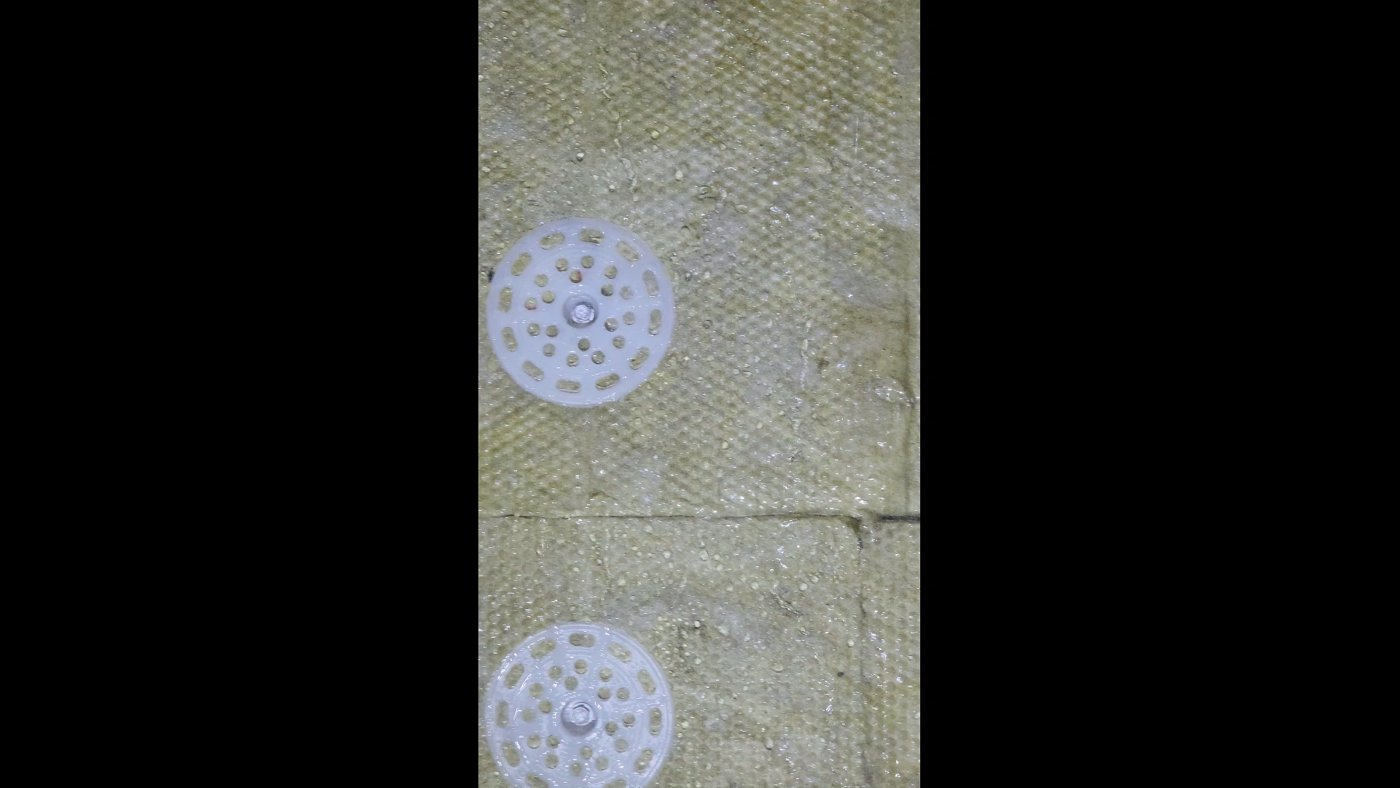
Clarke’s wall is consequently less about a particular cladding material than about assigning clear jobs to layers. The rainscreen limits direct exposure and drains; the cavity manages pressure and water; the exterior control layer resists air and liquid water; insulation manages heat flow; and the assembly retains a route for drying. Each layer can be relatively simple if its function is explicit. Problems arise when the same requirement is assumed to be handled somewhere else, by the sealant, by the plasterboard, by the cladding or by a membrane whose continuity is interrupted at every interface.
That is why the façade behind the façade matters. A visually successful rainscreen can conceal a wall that is poorly pressure-balanced or unable to dry, while a modest cladding system can perform reliably if the hidden control layers are continuous and tested. Clarke’s central lesson is to design for the physics that will occur rather than the appearance of impermeability: rain gets through joints, buildings move, pressure finds the tightest layer and materials age. A robust rainscreen accepts those realities and gives water and air controlled paths before they become defects.