


Rui Monteiro argued that many envelope failures are preventable when interfaces are mapped, responsibility is explicit and teams understand how air, water and weatherproofing systems work together.
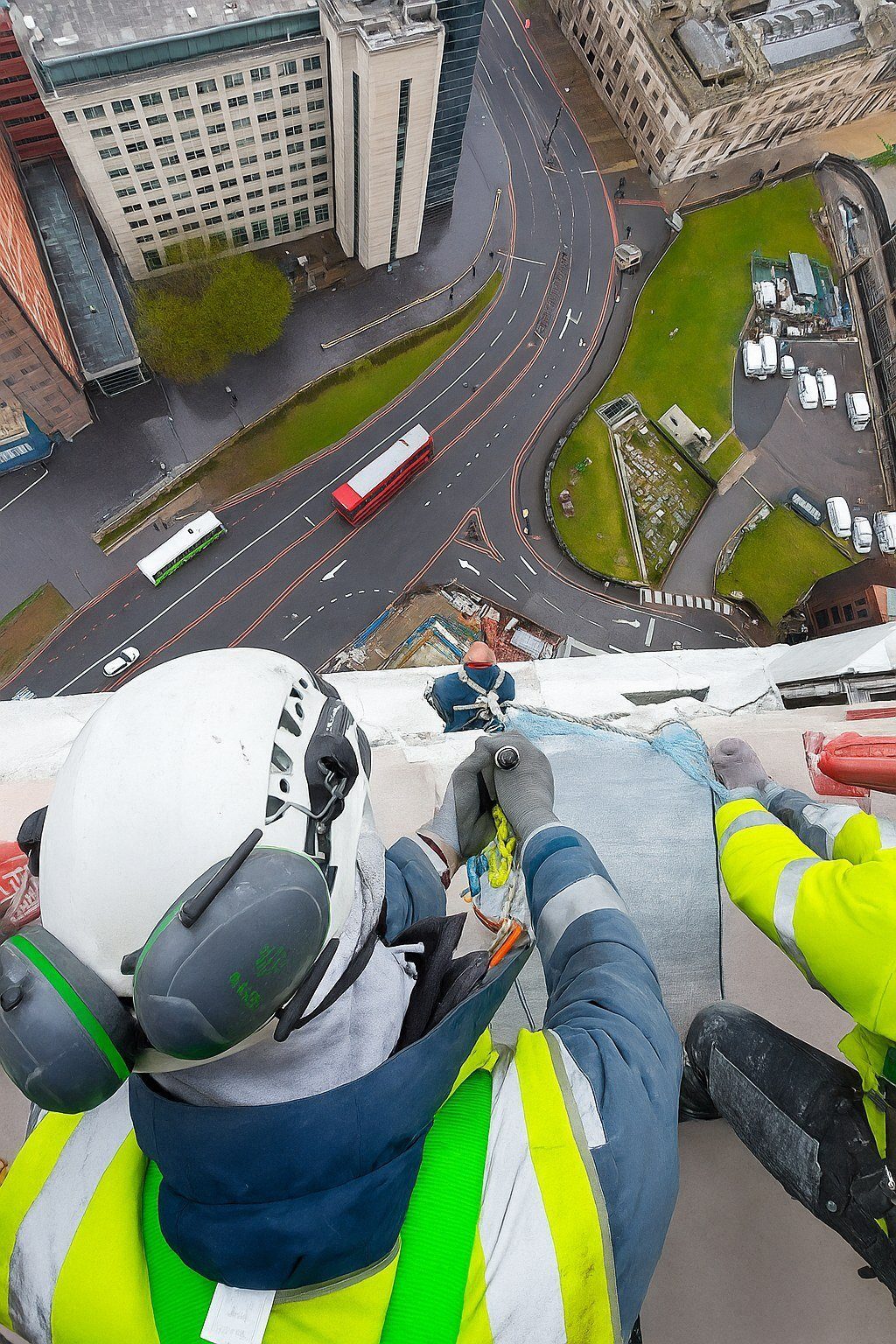
Rui Monteiro’s central argument was that the industry already knows how to prevent many common façade failures; it is failing to carry that knowledge consistently through design and construction. He used weatherproofing details and defect data to show how small interface decisions can create disproportionately large remediation costs. “Façade literacy” in this context means understanding what each hidden layer is meant to do, where it terminates and how the design will actually be assembled on site.
Compliance does not guarantee a functioning detail
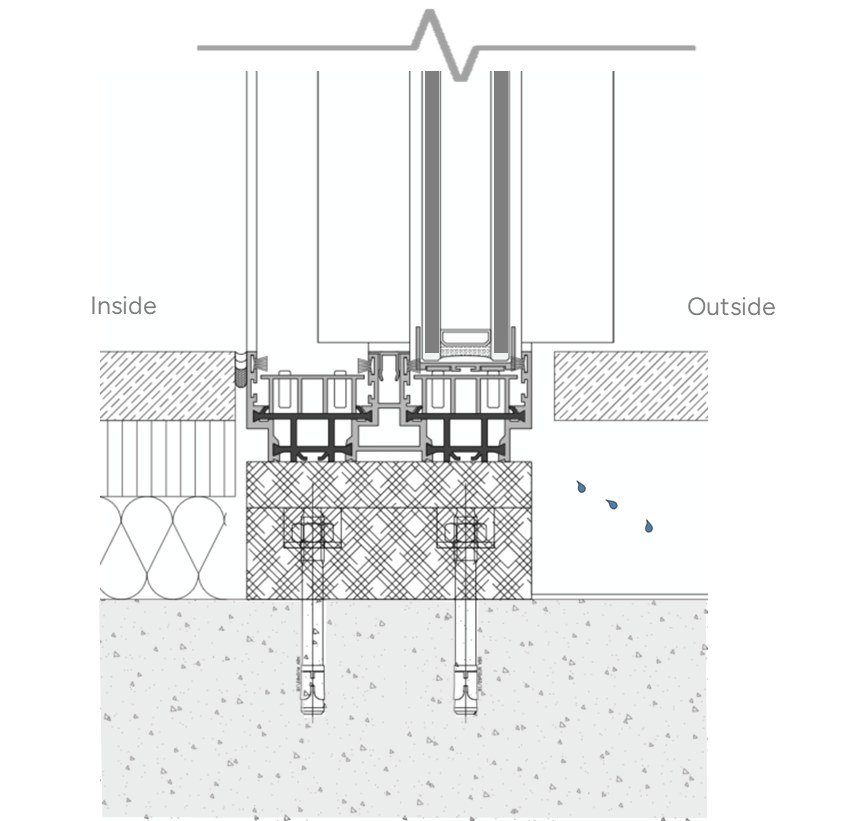
Monteiro showed a familiar junction in which the individual products could be compliant while the arrangement still blocked drainage or directed water into the wall. The problem is not necessarily an exotic material failure. A membrane can simply finish in the wrong place, or a site simplification can reverse the path that water was supposed to take. That distinction matters because designers can become focused on whether each product satisfies a requirement without checking whether the full assembly manages water, air and movement. A façade performs through continuity across interfaces, not through a stack of certificates.
The invisible layers carry visible consequences
Monteiro organised the risk around air, water and moisture, functions that disappear behind cladding once the building is complete. He argued that the current focus on fire safety must not cause teams to forget those other performance requirements. A fire-compliant envelope that leaks, traps water or loses air-barrier continuity is still a failed envelope. The project data he cited illustrated the scale of the problem, including claims that roughly one in three buildings faces major façade defects and that windows, doors, tolerances and external walls contribute a large share of recurring issues. The exact proportions matter less than the pattern: failure clusters where systems and trades meet.
Fortify the interfaces, not only the products
The second part of Monteiro’s EFS approach, engineer the invisible, fortify the interfaces, systemise the execution, focuses on junctions such as roof-to-wall, window-to-wall, balcony edges, doors and panel joints. Those transitions often fall between specification packages, making responsibility ambiguous even when every trade believes its own work is complete. Mapping the interfaces early allows the team to assign ownership, identify movement and tolerance requirements and define what has to be inspected before it is covered. That is façade literacy as risk control: people understand not just their component, but what the neighbouring layer needs from it.
The cost curve rewards earlier decisions
Monteiro used the familiar project cost curve to make a practical point. Correcting a drainage path during design is cheap; discovering the same error after cladding is installed can require access, removal, replacement and dispute. The industry often tries to “value engineer” details late, but a small saving in installation time can transfer much larger cost into remediation. His alternative is to bring construction thinking into design earlier. Details should reflect how membranes can actually be cut, lapped, supported and inspected in site conditions, not only how cleanly they can be drawn.

Systemise the work to reduce human variation
The final step is execution. Site weather, access and human error will never disappear, so repeatable prefabrication and pre-cut components can reduce the number of decisions left to installers in difficult conditions. Monteiro argued for factory assembly where practical, clearly sized materials and controlled procedures that make the intended result easier to repeat. The message is less about a particular membrane brand than about process. Better buildings come from designing hidden performance, strengthening interfaces and then delivering those details through a system that can be checked. That is how upfront savings are distinguished from genuine cost efficiency.
Monteiro linked that process directly to project value. Money spent resolving hidden continuity and interface responsibility early is small compared with the cost of removing finished façades, relocating occupants or arguing over defects later. His point was not that every junction needs more layers or more expensive products. It needs a clear performance path and a delivery method that leaves fewer opportunities for an apparently minor site adjustment to reverse that path.