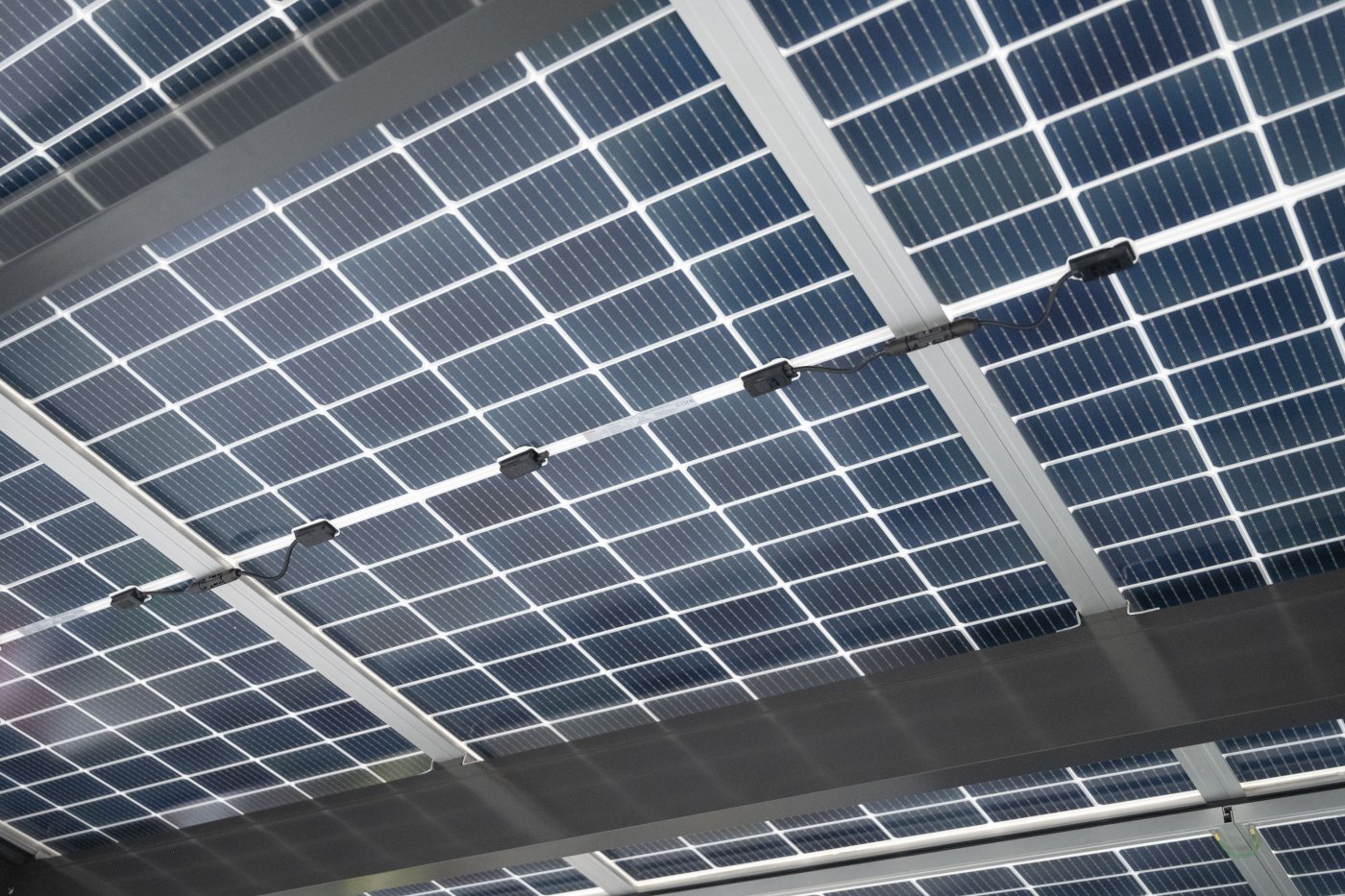
Marc Nakhle set out a case for treating shading and cladding as electrical infrastructure, arguing that horizontal, vertical and louvre systems can cut a building's energy use while lifting its solar capacity far beyond what a roof alone can carry.
Nakhle opened from a familiar statistic and drew an unfamiliar conclusion from it: if 40 per cent of global energy consumption comes from buildings, then the envelope that wraps them is the largest under-used generating surface in the built environment. His argument was that the industry has moved beyond traditional solar into a period where architectural intent and energy independence are no longer in tension, and that a façade can be specified as an energy-producing asset rather than a passive skin. He was careful to qualify it. Solar elements, he said, work best inside a broader sustainability strategy, alongside passive design, insulation and efficient thermally broken glazing. The best buildings, in his account, do not lean on one technology but on several working together.
Putting the supply chain in order first
Before the products, Nakhle addressed the material they are made from. The aluminium industry, he acknowledged, is notorious as a mass producer of greenhouse gases, which he treated as the reason for a net zero by 2030 commitment rather than an argument against making the claim. The route he described attacks emissions from several directions at once: sourcing low carbon materials, electrifying the vehicle fleet with hybrids and EV trucks, introducing sensor lighting across branches to cut waste, and forming partnerships covering waste management, recycling and logistics efficiency. Work is under way on environmental product declarations and certification, on the principle that sustainability claims should be measured and traceable. Eight of sixteen branches now run on solar energy, with the remainder to follow, which Nakhle offered as proof of concept rather than promotion.
Three ways to shade and generate
The shading portfolio divides by orientation. The horizontal system reduces direct sun exposure and lowers HVAC loads in the conventional way, but also absorbs sunlight and feeds energy back into the building, with output dependent on panel size and the frame colour customisable; Nakhle noted it is engineered for high static loads.
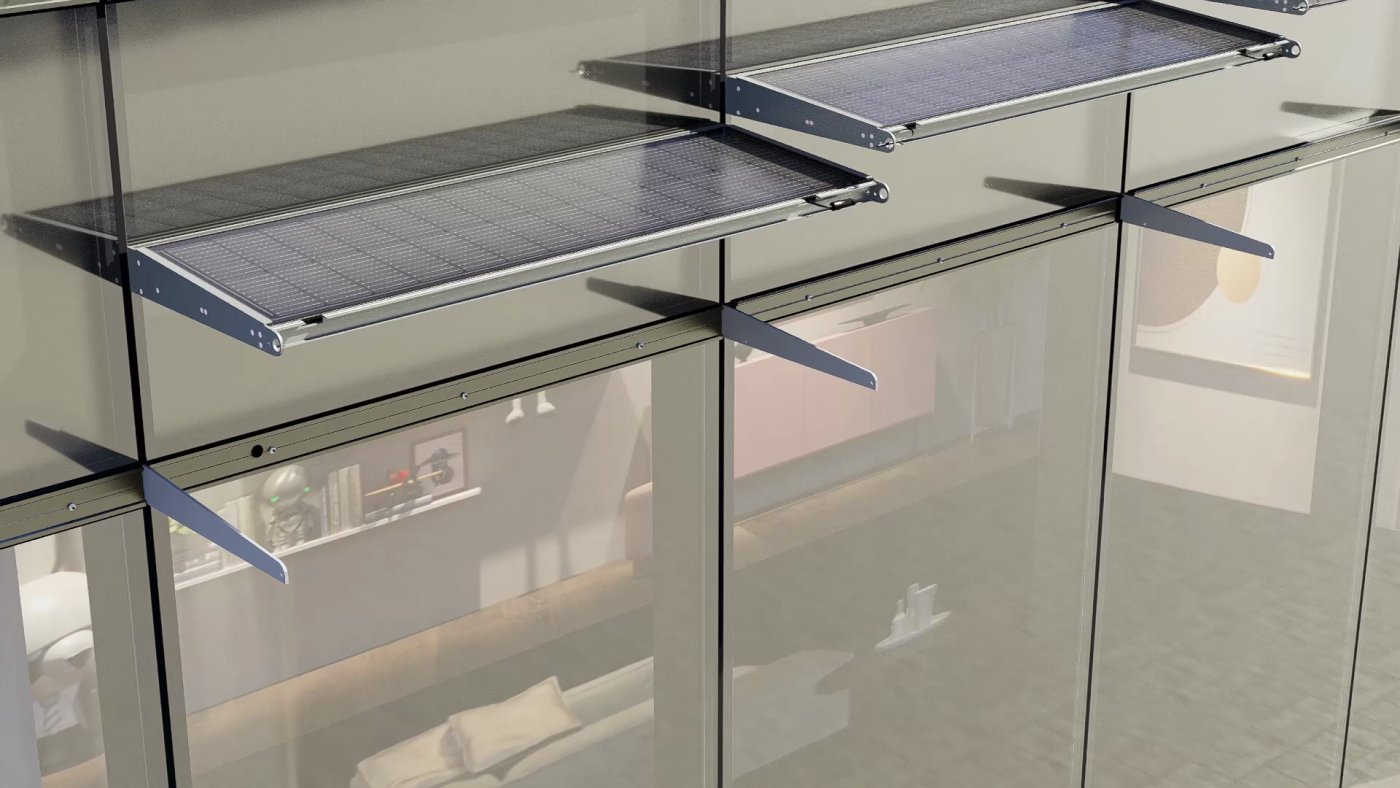
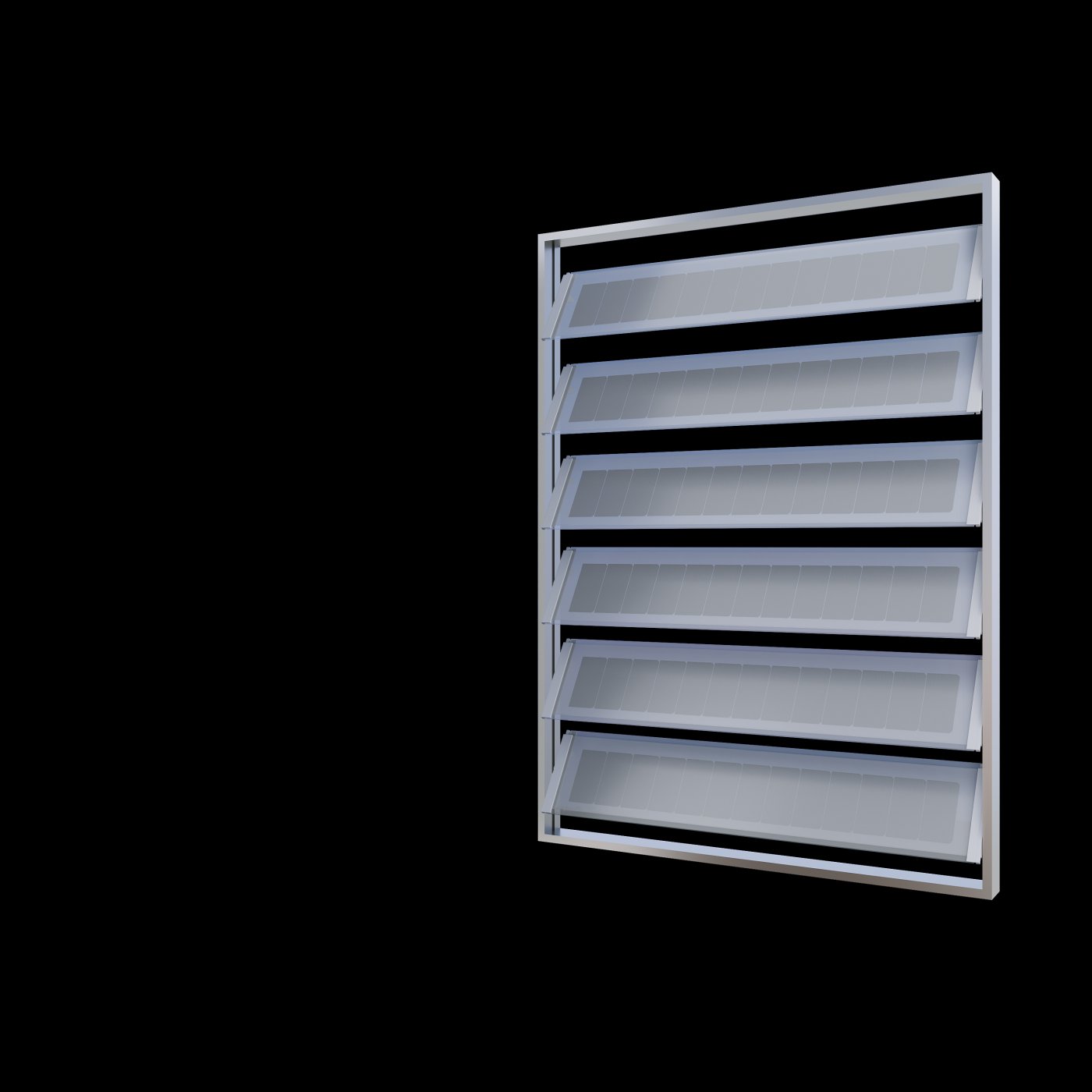
For high-rise work, where vertical elements do the work of managing glare and heat gain, the vertical shade integrates directly into curtain walling and is bifacial, capturing light on both faces, which matters most in dense urban settings where reflected light is plentiful. Nakhle named it his personal favourite for its slimness and restraint. The louvre system completes the set with blades that adjust through the day to balance daylight, shading and generation, each blade producing 45 watts.
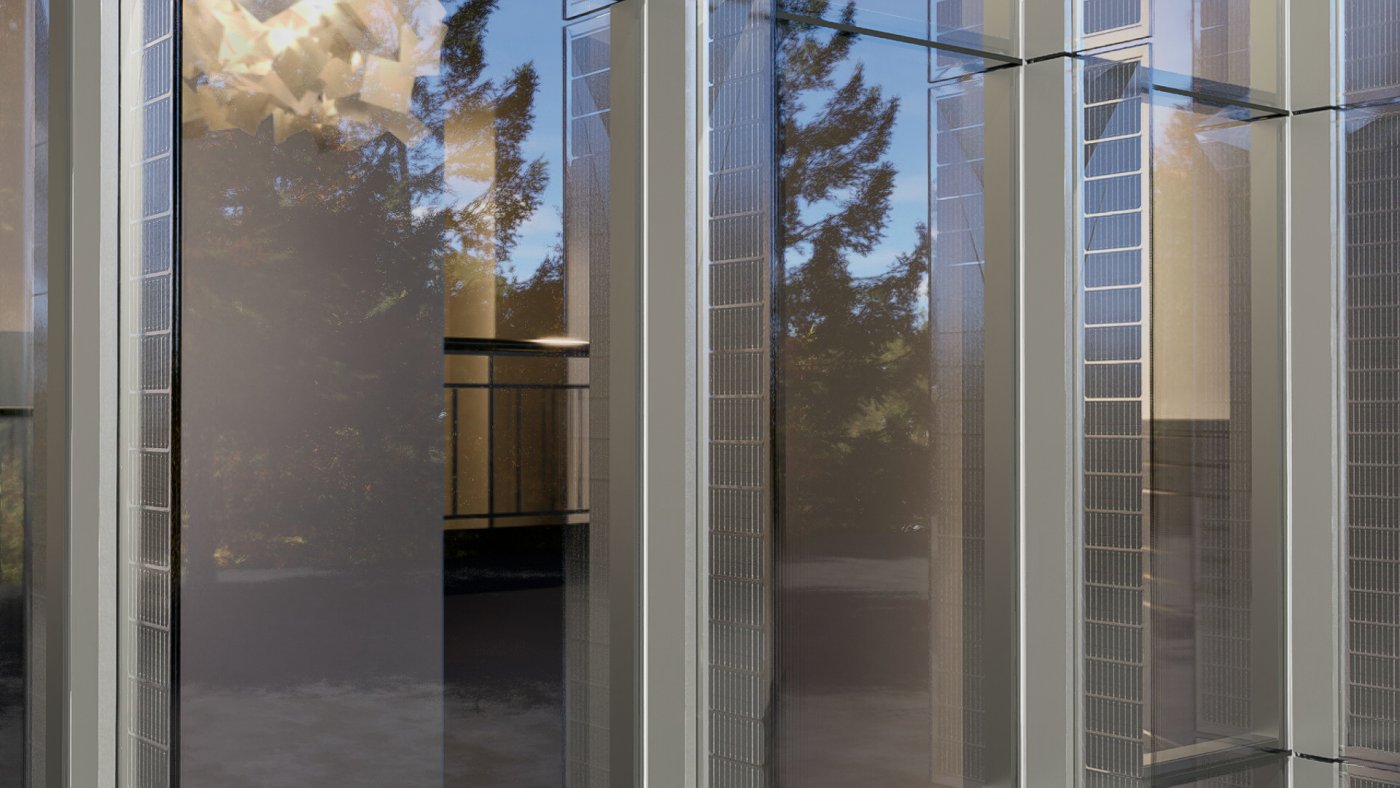
Alongside the shading sits the Fusion Series, which replaces conventional façade panels without structural modification and, in its latest version, offers a cladding application with a coloured front and metal back panel, customisable in size and colour. Taken together, Nakhle said, these elements shift from passive to active, reducing energy consumption by 20 to 30 per cent and increasing solar capacity by more than 200 per cent compared with rooftop-only systems. On cost he was direct: government subsidies and future savings offset the outlay, and the cell technology is guaranteed at 20 to 23 per cent efficiency.
What the numbers looked like in Shanghai
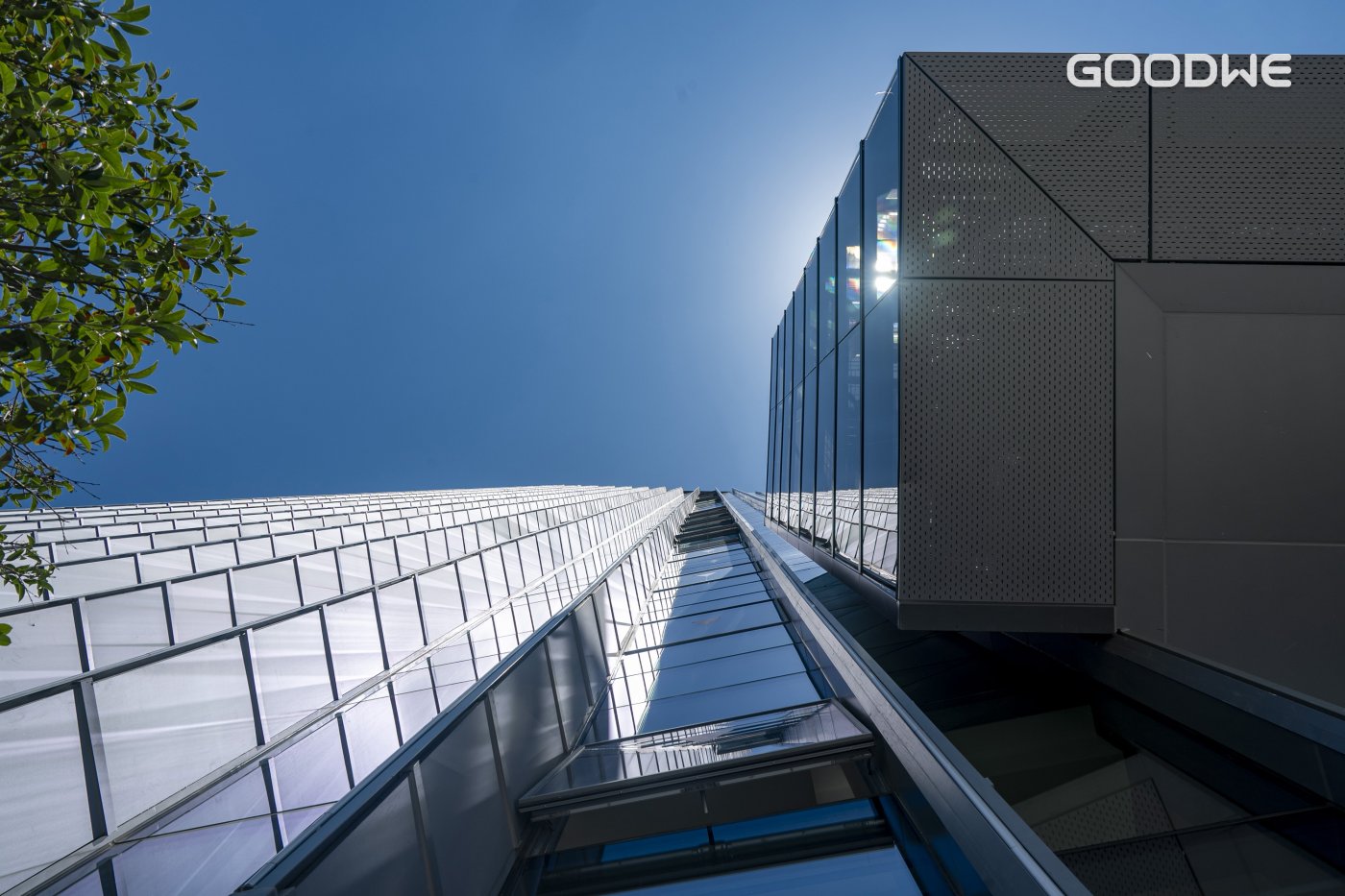
The demonstration project was the GoodWe Smart Energy headquarters, where the shading and cladding ranges were used together and the roof was worked as well as the walls, on the reasoning that the greatest return comes from both. Across 6,570 square metres, Nakhle reported 698kW of PV capacity generating 4,965MWh annually and offsetting 4,938 tonnes of carbon each year, which he compared to taking 105 cars off the road. The same building also carries the waterproof series used for a four-post, Australian-designed solar carport. What is coming to the Australian market, he concluded, comes from an Australian aluminium company that has just passed its fiftieth year.