Jayrold Bautista set out what actually happens to the silicone bonding glass to frame when a building is shaken, drawing on full-scale mockup testing, material characterisation and finite element work that together yield design maps engineers can check without running a simulation.
The question arrived, Bautista said, in the form of a phone call. His brother had moved from Manila to Bangkok for work, and one day rang to report that he was in an earthquake, in a city where that was, as Bautista put it, typically unheard of. The professional reflex took over before the brotherly one. For the construction industry, he argued, there is now a pre-earthquake Bangkok and a post-earthquake Bangkok, and with that shift came a wave of enquiries from clients wanting to know how their façades had fared. Mullions and brackets are one part of the answer; the other is the silicone that bonds the glass to the frame, and that is where his work has concentrated.
Earlier studies had already applied heavy cyclic loading to structurally glazed specimens, including crescendo sequences that build amplitude step by step, and Bautista used them to show how much strain a sealant joint absorbs during such a test. The loading regimes were, he acknowledged, somewhat exaggerated relative to service conditions, but they produced usable design guidance: a movement capability of 25 per cent and a stress limit in the order of 50 psi. That guidance covers the joint in isolation. What it does not answer is how the bond behaves inside a complete, working façade with real glass sizes, real framing and real earthquake input.
Two frames, two failure stories
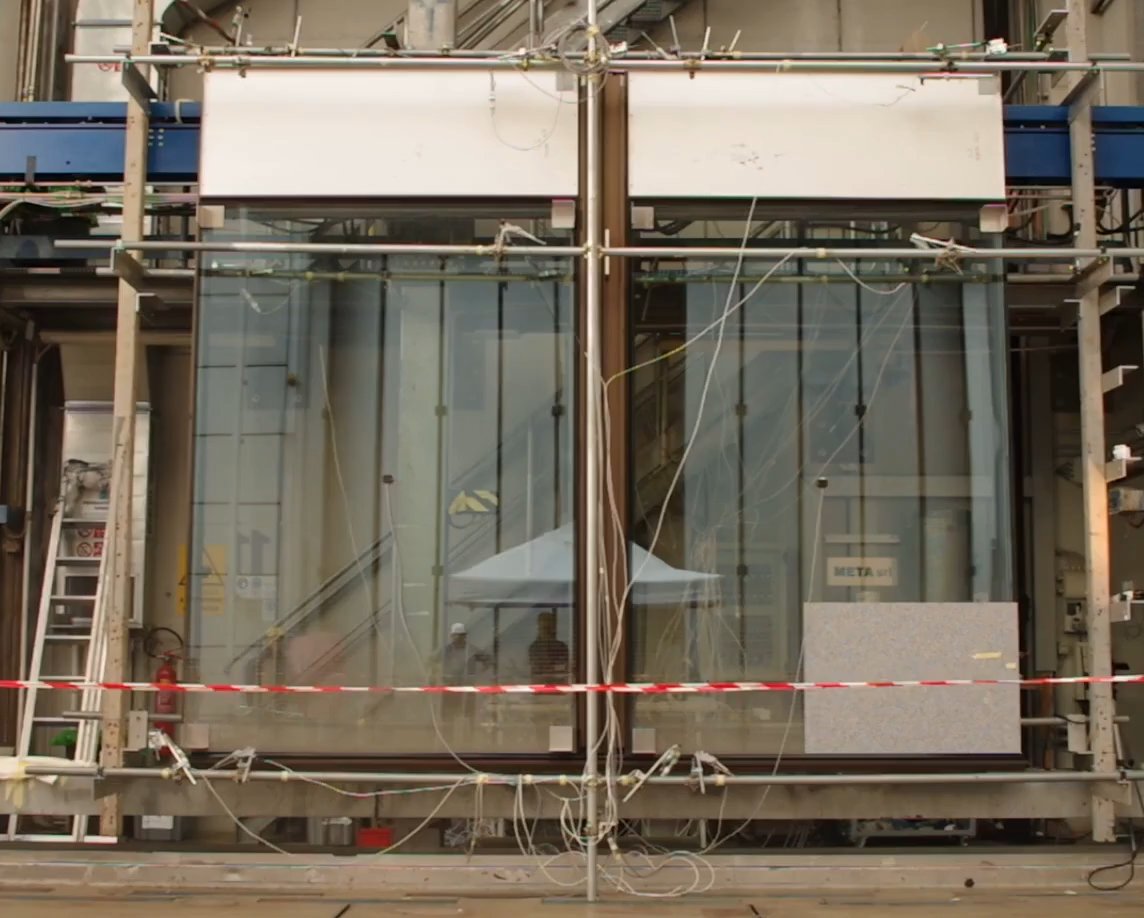
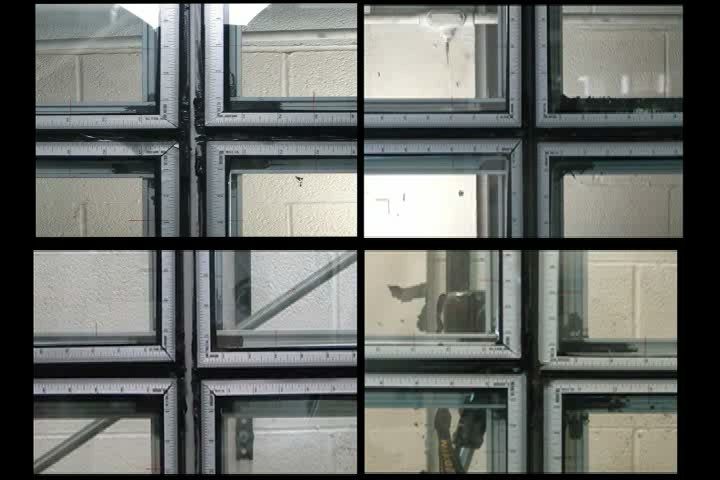
To close that gap, Bautista pointed to a government-funded programme, abbreviated SAFE PHASE, run with two universities and other façade industry partners, in which his company's sealants were used on a full-scale mockup. The test plan varied glass size, sealant aspect ratio and joint dimension, and framing type, one flexible and one fixed, under actual recorded earthquake movements as well as crescendo and monotonic sequences. The flexible frame result was, in his word, boring. The team had expected the glass to come away or the sealant to tear, and nothing happened. To force a result, they cut the joint deliberately, and it took roughly 80 per cent of the bonded surface being severed before the glass detached.
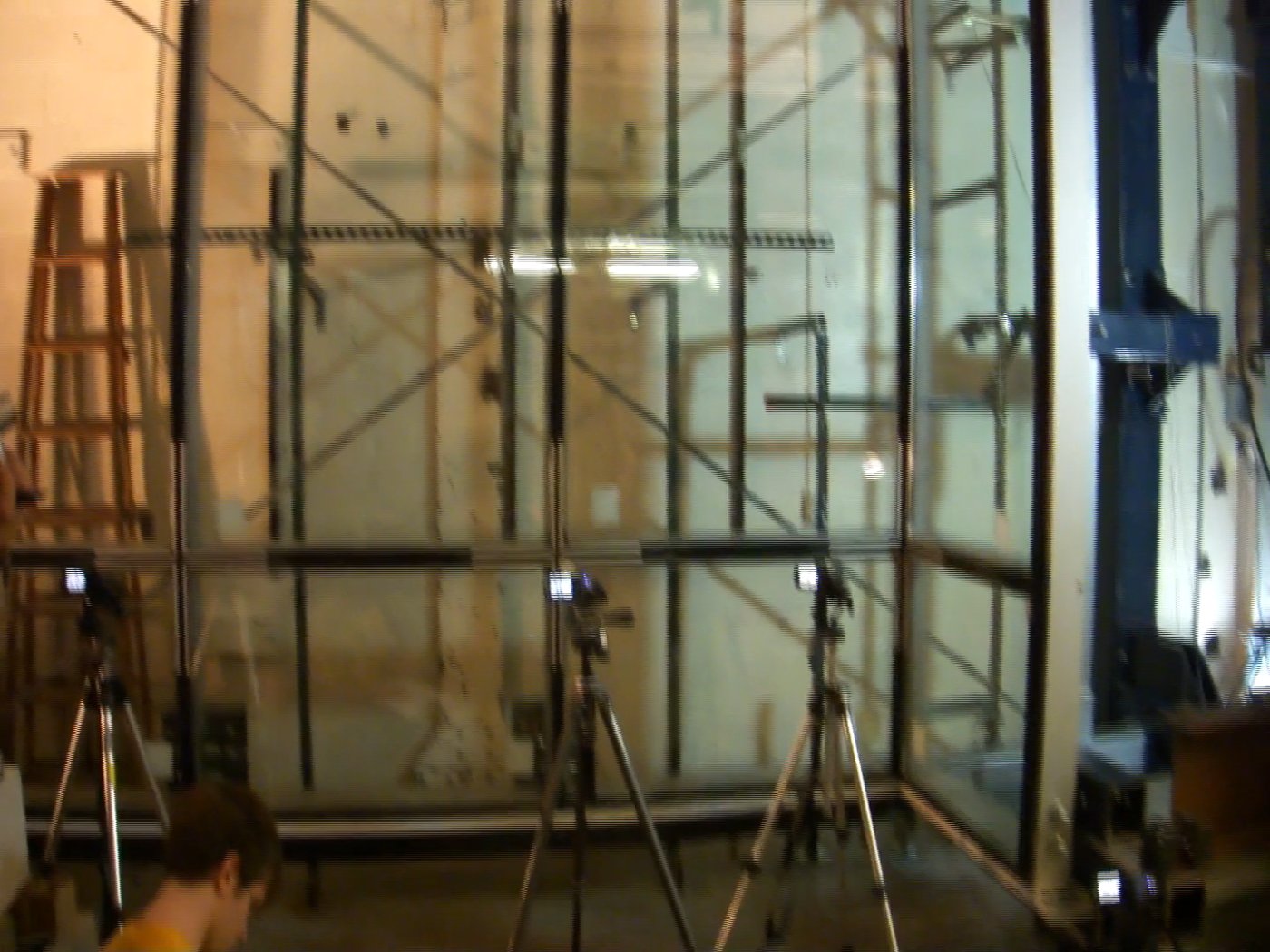
The fixed frame behaved differently. Crescendo loading to 72 mm and cyclic loading of around 100 mm produced nothing worth reporting; only at 130 mm of monotonic movement did failures appear, with full detachment at the corners, roughly 4 mm of detachment along one side and two breakage detachments at the bottom left and bottom right. Even then the glass stayed in place. The lesson Bautista drew is that a properly designed flexible system, essentially most unitised curtain walling, will be governed by the framing rather than by the bond, while in a fixed frame the silicone takes most of the movement and therefore dominates failure. Cracks appeared only under loads larger than code requirements, and did not propagate.
From mockup to design map
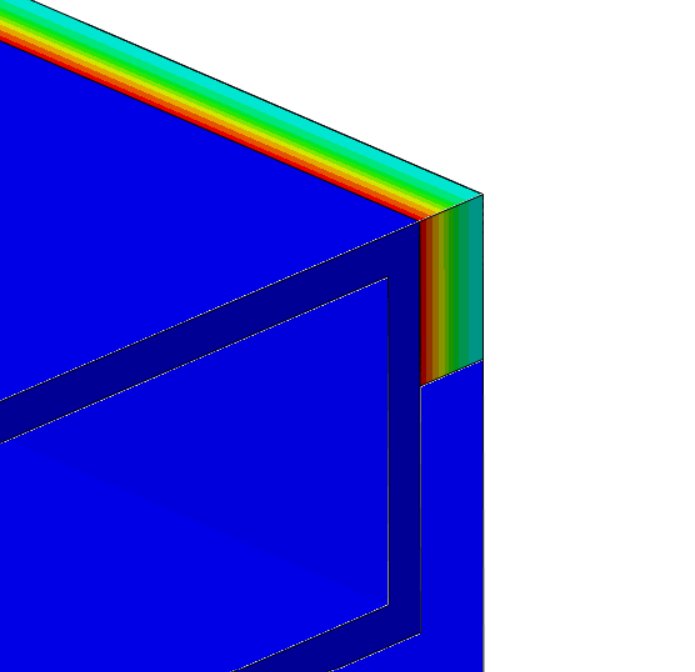
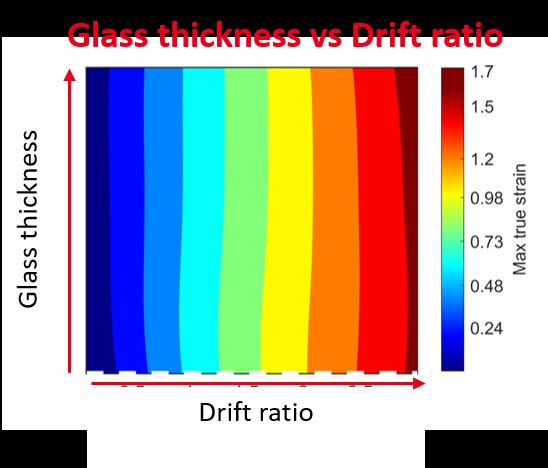
One mockup, however, covers one set of glass sizes. To extend the findings to other configurations, Bautista's team built material models capturing the hyperelastic response, the viscoelastic damping and the cyclic softening effect that seismic loading brings out, since all three are needed before a sealant can be represented credibly in finite element software, which he conceded is neither quick nor easy to run. The simulations reproduced what the mockup had shown, with the worst conditions at the corners. A design of experiments study then converted that effort into design maps, so an engineer can confirm that a joint sits in a safe design space without running an analysis at all.