


Andrew Snalune set out why glass defects that pass every code and contract can still be rejected by a buyer, and argued that subjective approvals need to be converted into objective records long before disputes arise on site or after handover.
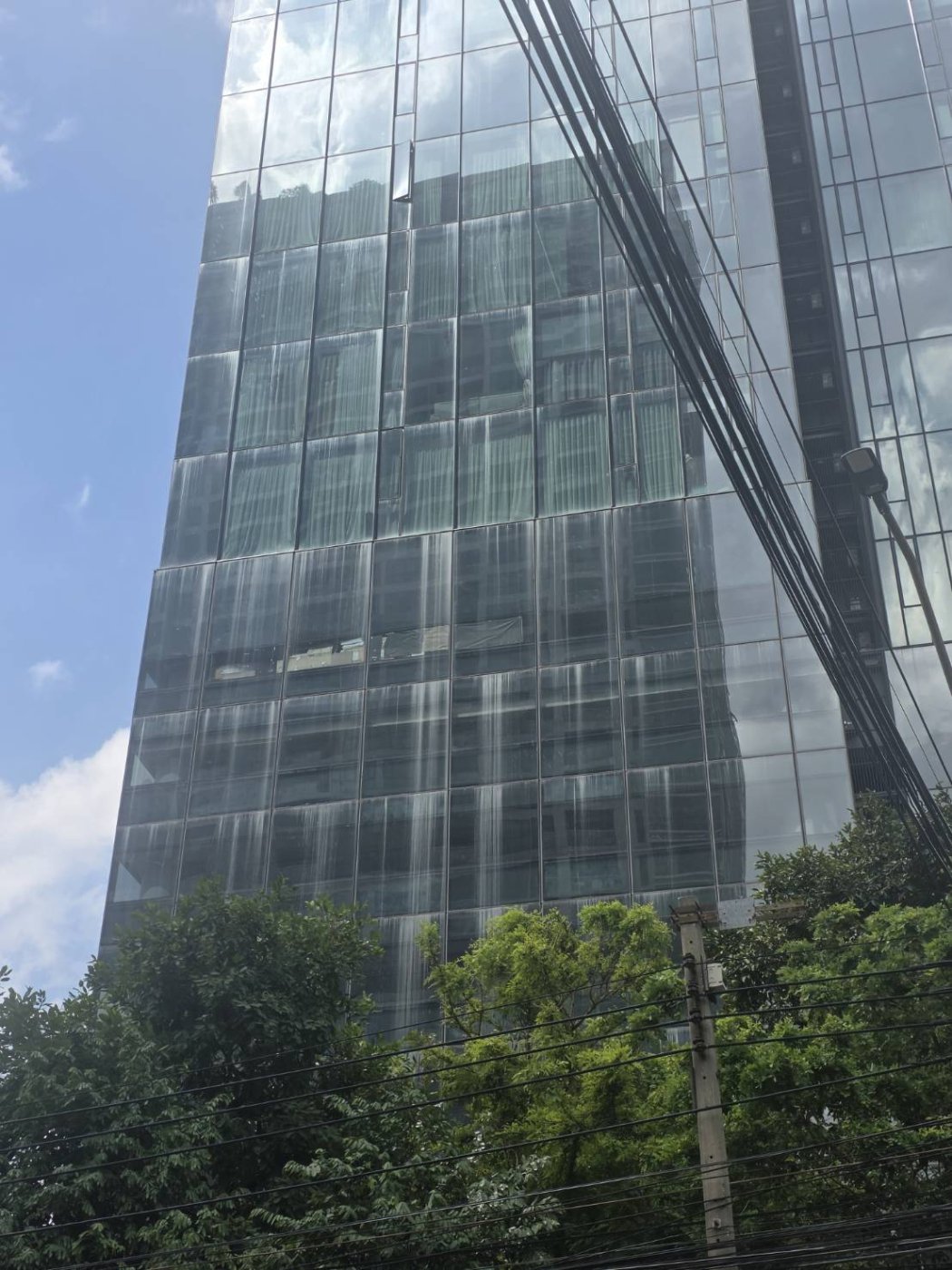
The most persistent quality problem in façade glass, Snalune argued, is not technical but contractual: defects that are explicitly allowable under specifications and supply contracts are routinely rejected by owners and buyers, and both positions can be correct at the same time. A high-end residential purchaser inspecting a pane at eye level on handover day is not reading ASTM tolerances, and a façade contractor pointing to compliance is not being unreasonable either. Snalune worked through five familiar phenomena, some of them genuine problems and some of them widely misdiagnosed, to show where the gap between what is permitted and what will be accepted actually opens up, and what can be done to close it before construction begins rather than after.
Quench marks: inherent, not avoidable
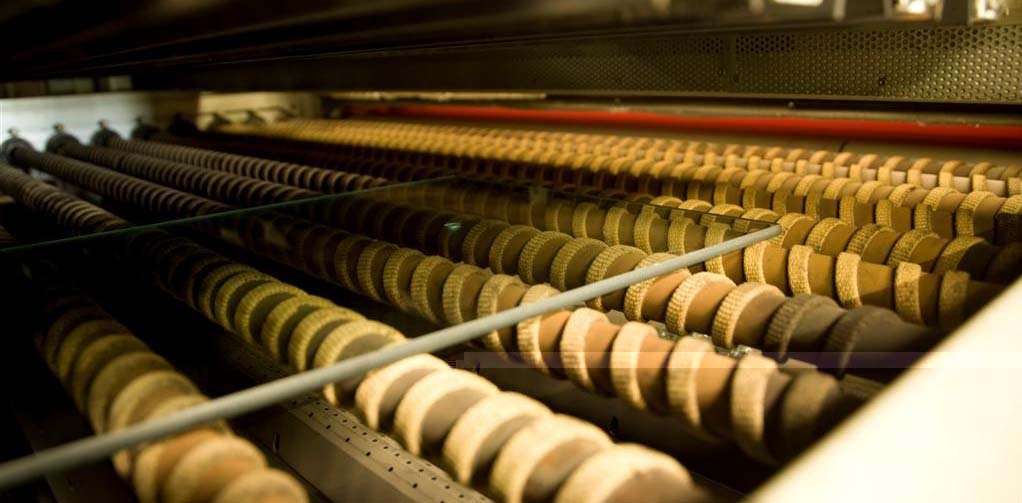
Quench marks, also called iridescence, strain pattern or leopard spots, are the largest single source of complaint. They arise in heat treatment, Snalune explained, as the glass is heated and cooled and its refractive index changes very slightly and locally. Unprocessed annealed glass is optically isotropic, meaning light passes through uniformly; heat treatment introduces stress gradients that make the glass anisotropic, with different properties in different directions. The resulting pattern is a signature of the plant: the layout of the cooling nozzles, the heating elements and the rollers the glass runs over, whether Kevlar-taped at a given spacing or ceramic. Vertical, horizontal and crisscross patterns generally indicate well-controlled, uniform processing. A chaotic pattern is the warning sign, suggesting varying speeds, unstable oven temperature or non-uniform cooling.
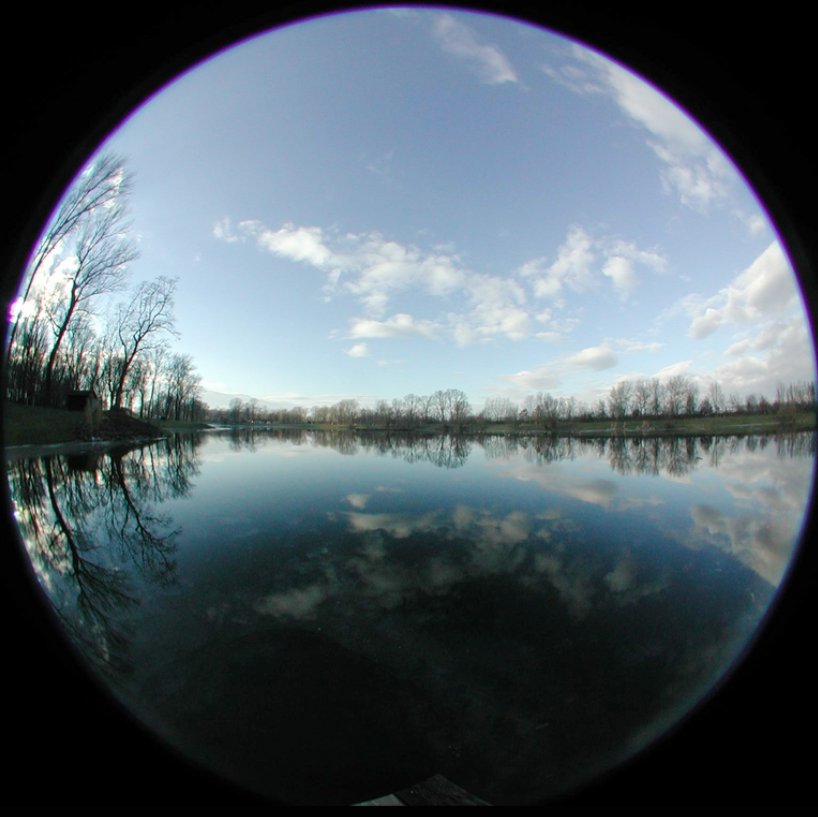
What makes the pattern visible is polarised light combined with viewing angle, which is why complaints tend to arrive at dawn, at dusk and under cloudless blue skies. Snalune used the contrast in daylight reflected off a lake, far stronger than the contrast in the sky itself and graded according to angle, to show the same effect at work on a façade. The codes are of limited help here. One long-standing standard treats the phenomenon as inherent and warns that it should not be mistaken for discoloration, non-uniform tint or a defect, which is precisely the sentence that fails to satisfy a developer expecting uniform glass. Later standards offer a measurement method without acceptance criteria, a pattern Snalune sees across much of the industry's guidance.
One recent standard he rated highly does give quality classes graded by degree of retardation, but it assesses glass sheet by sheet rather than as an assembly, so a contractor can argue compliance for each ply of a laminated and monolithic build-up while the finished unit still looks poor. Since only one manufacturer, the German company Sedak, claims to have eliminated quench marks entirely, and at considerable cost, Snalune's recommended route is procedural. View as many samples as possible from the same supplier, at different times of day, in the orientation of the project and in the same city, since local air turbidity affects light quality. Owner, architect and consultant then agree which patterns are acceptable, favouring uniformity and low contrast.
Recording a subjective judgement objectively
The weakness of that agreement is memory. Subjective approvals are given by a group of stakeholders who cannot be reassembled years later, and who may not recall what they signed off. Snalune's answer is to measure the subjective approval so it becomes an objective record: for quench marks, photographing the approved glass against a black background with a polarised light box and a polarising filter on a digital camera, producing a reference that later deliveries can be compared against. The same logic governs localised defects, the bubbles, spots, scratches, pin holes, seeds and chips that each glass process, from base float through laminating, heat treating, coating and insulating unit assembly, carries its own overlapping tolerances for.
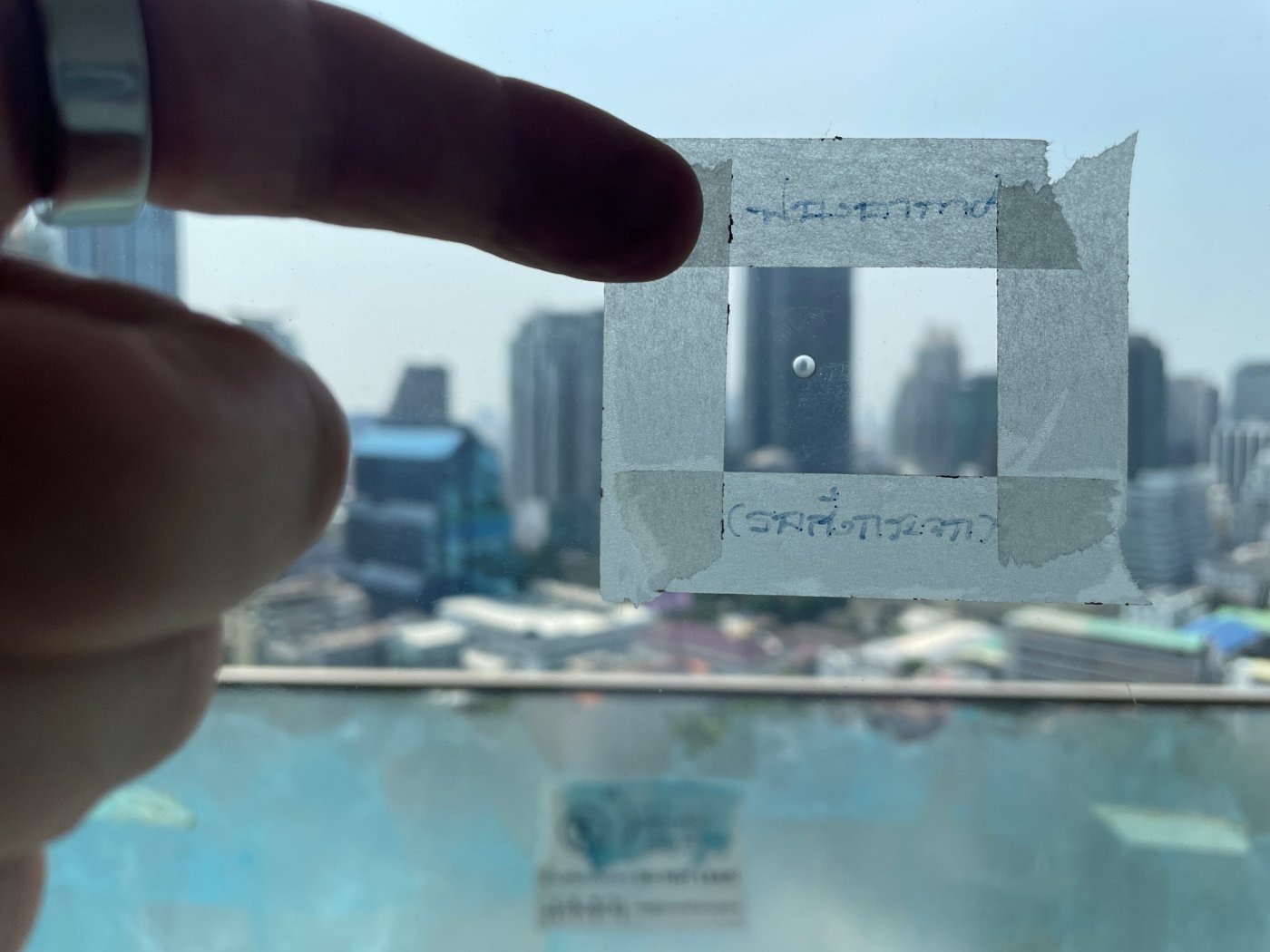
Snalune put the occurrence of allowable-but-unacceptable panes at roughly one in a hundred to one in a thousand, and suggested two practical responses agreed in advance. The façade contractor can be asked to identify those panes and hold them back for back-of-house or amenity areas where no individual buyer is being sold the view, or the contract can carry a contingency for a number of lights to be replaced. At 0.1 to one per cent of material cost the contingency is cheap; the real expense, he stressed, is replacement after installation, which makes on-site swapping a last resort rather than a strategy.
Distortion, damage and what the industry still owes owners
Optical distortion in curved glass is where Snalune finds the construction industry furthest behind. Existing methods are either crude or extremely complex, with nothing in between. A protocol trialled at a visual mock-up used a fixed-lens camera at the focal point of the glass curvature to photograph a zebra board with and without the glass in place, the two images then overlaid in Photoshop or in Python using the OpenCV library. The zebra board, though, is essentially one-dimensional. The next step is a coordinate grid, allowing each node to be mapped from one image to the other as a vector of direction and magnitude and converted into a density map expressed in diopters. Automotive and aeronautical glazing is checked to a far higher standard, and one supplier quoted US$250 per piece for even the basic check, around one per cent of the façade cost.
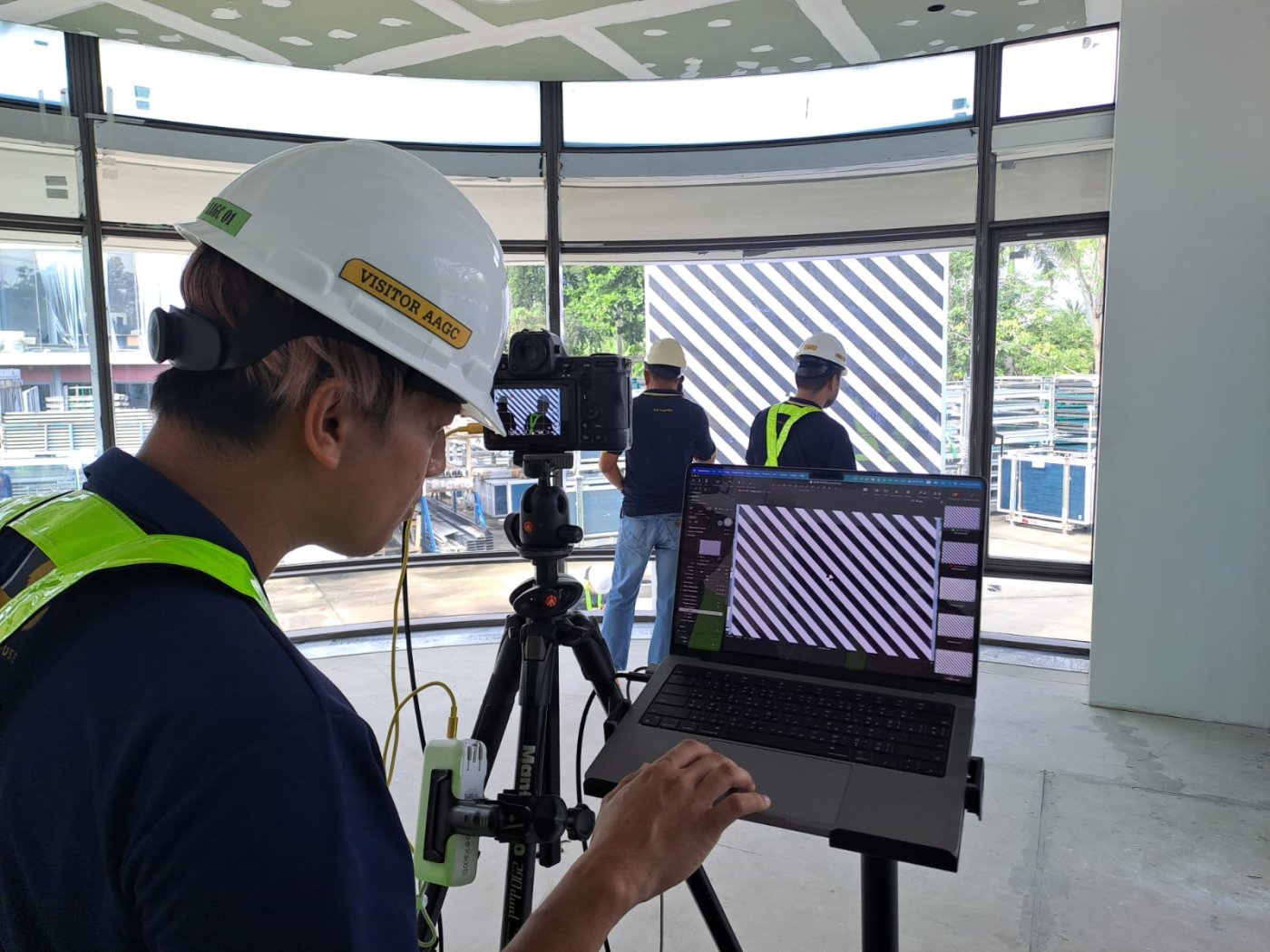
Two further items complete the picture. Construction damage, particularly the calcium-rich slurry that forms when rain dissolves dust and concrete chippings trapped in a stack joint and floods out over the glass below, is easy to avoid and expensive to rectify, often requiring abrasive polishing. Snalune's preference is liquid-applied protection inside and out rather than low-tack film, which can bake onto the glass on stalled projects, and he noted that cleaning the stack joints is almost never done. Roller wave, by contrast, is good news: a physical rather than optical deformation caused by sagging between rollers, it has been largely engineered out by modern processors, though it is still frequently mistaken for quench marks on older buildings. Acknowledge the gap before construction starts, he concluded, and lengthy technical and contractual arguments can be avoided.