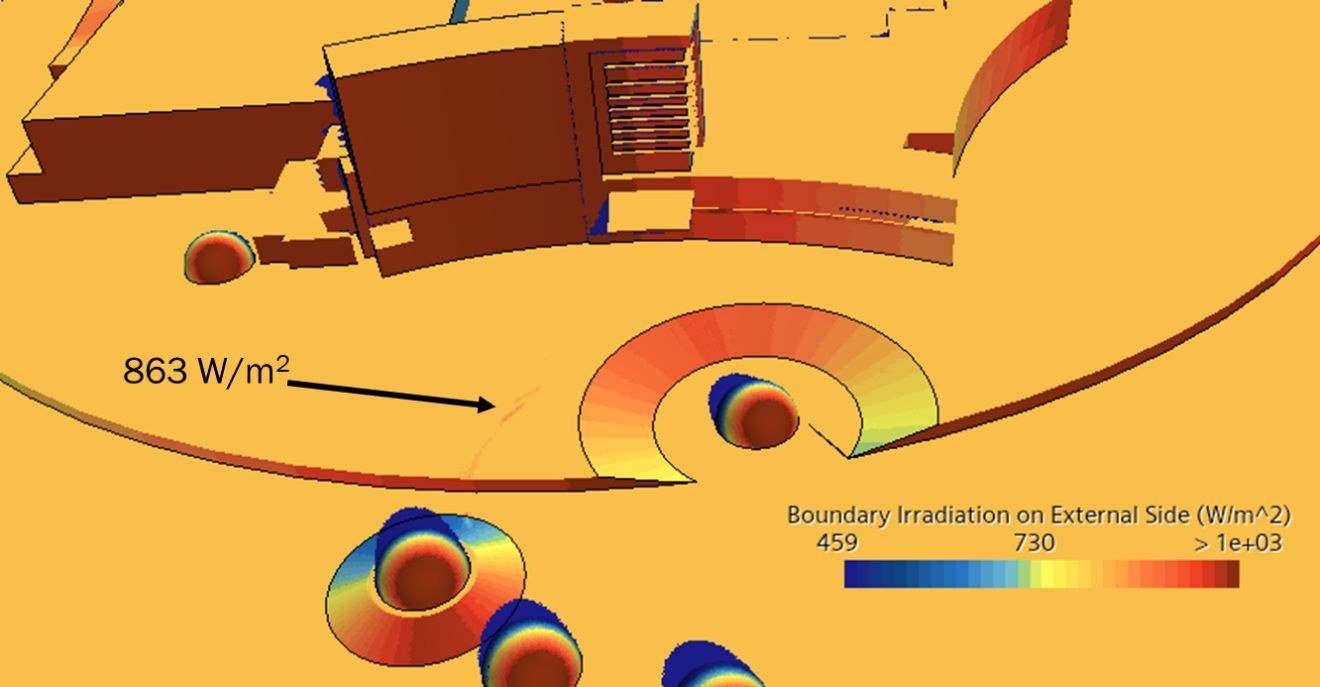
Highly reflective façades can redirect concentrated sunlight far beyond a property line. Vicente Montes explains why geometry, glass reflectance, sun position and neighbouring uses must be studied together before a visually elegant surface becomes a source of heat or glare.
Solar reflection becomes dangerous when several ordinary design decisions align. Glass reflects part of the solar energy that reaches it; polished metal and other smooth materials can do the same. On a flat façade the reflected beam is usually dispersed across a relatively broad area, but curvature can change that dramatically. A concave surface can collect rays that arrive across a wide portion of the elevation and redirect them toward a smaller zone. That concentration is what turns an architectural reflection into a heat problem.
The problem is not reflectance alone
Montes uses examples ranging from damaged landscaping to uncomfortable pedestrian areas and well-publicised “death ray” buildings to make the issue tangible. The important point is that these effects are not random. They are governed by optics, sun position, façade orientation and geometry. A patch of dead grass or a suddenly uninhabitable terrace is the visible symptom of a design condition that could have been analysed in advance.
The neighbour may be the critical receptor
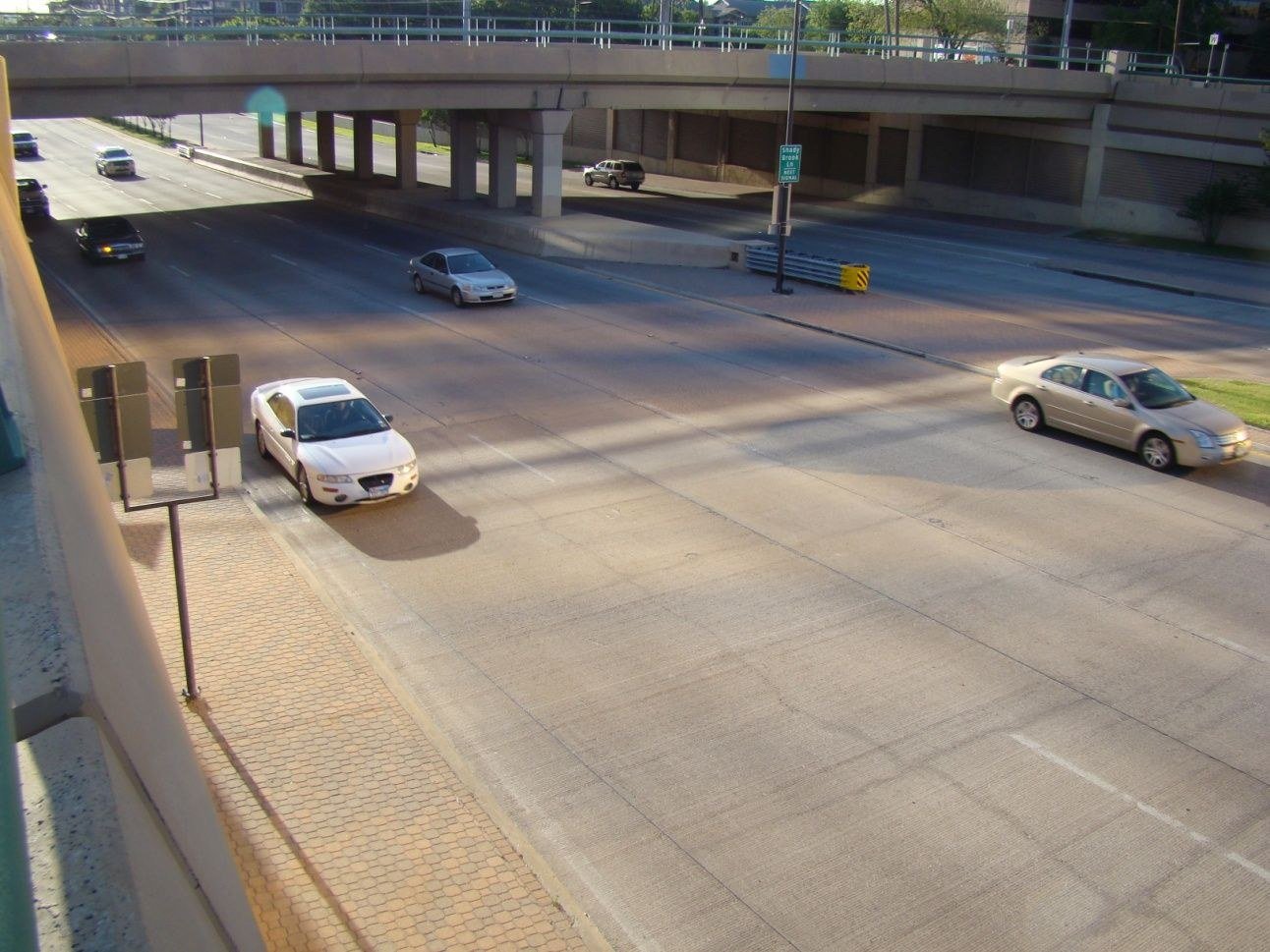
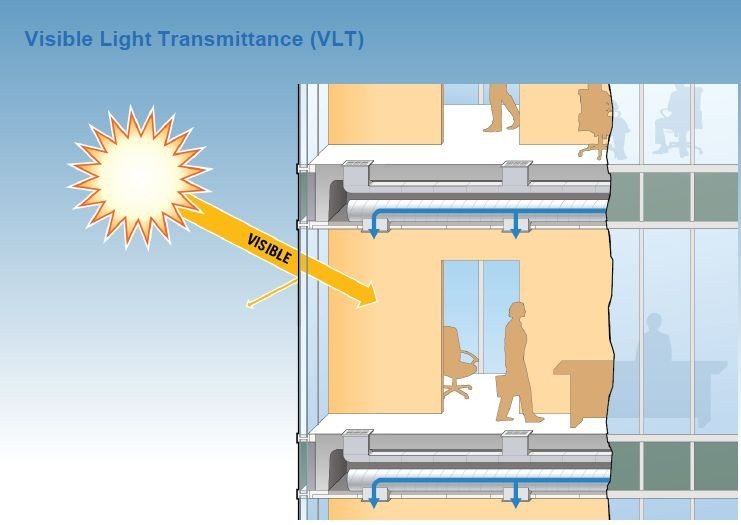
Façade design often evaluates internal comfort and energy performance first: solar heat gain, visible light transmission, U-value and glare for occupants. Reflectivity adds another boundary condition because the most affected person may not be inside the building at all. A reflected beam can cross a street, strike a neighbouring façade, sweep across a roadway or concentrate on public space. That changes the design question from “how does this glass perform?” to “where does the reflected energy go?” The answer depends on time. The sun’s altitude and azimuth shift hour by hour and season by season, causing a reflection to trace a path through the surrounding environment. A location that seems harmless during a morning site visit may become problematic later in the afternoon. Likewise, a winter study will not necessarily identify a summer focal point. The analysis therefore has to consider both the complete sun path and the uses that occupy the receiving surfaces.
Curved façades amplify small specification changes
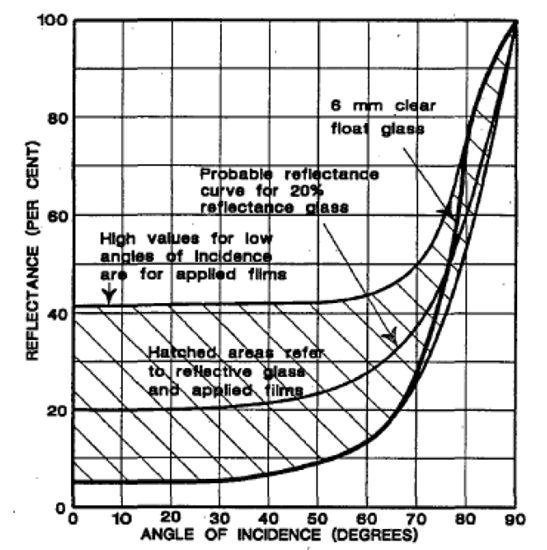
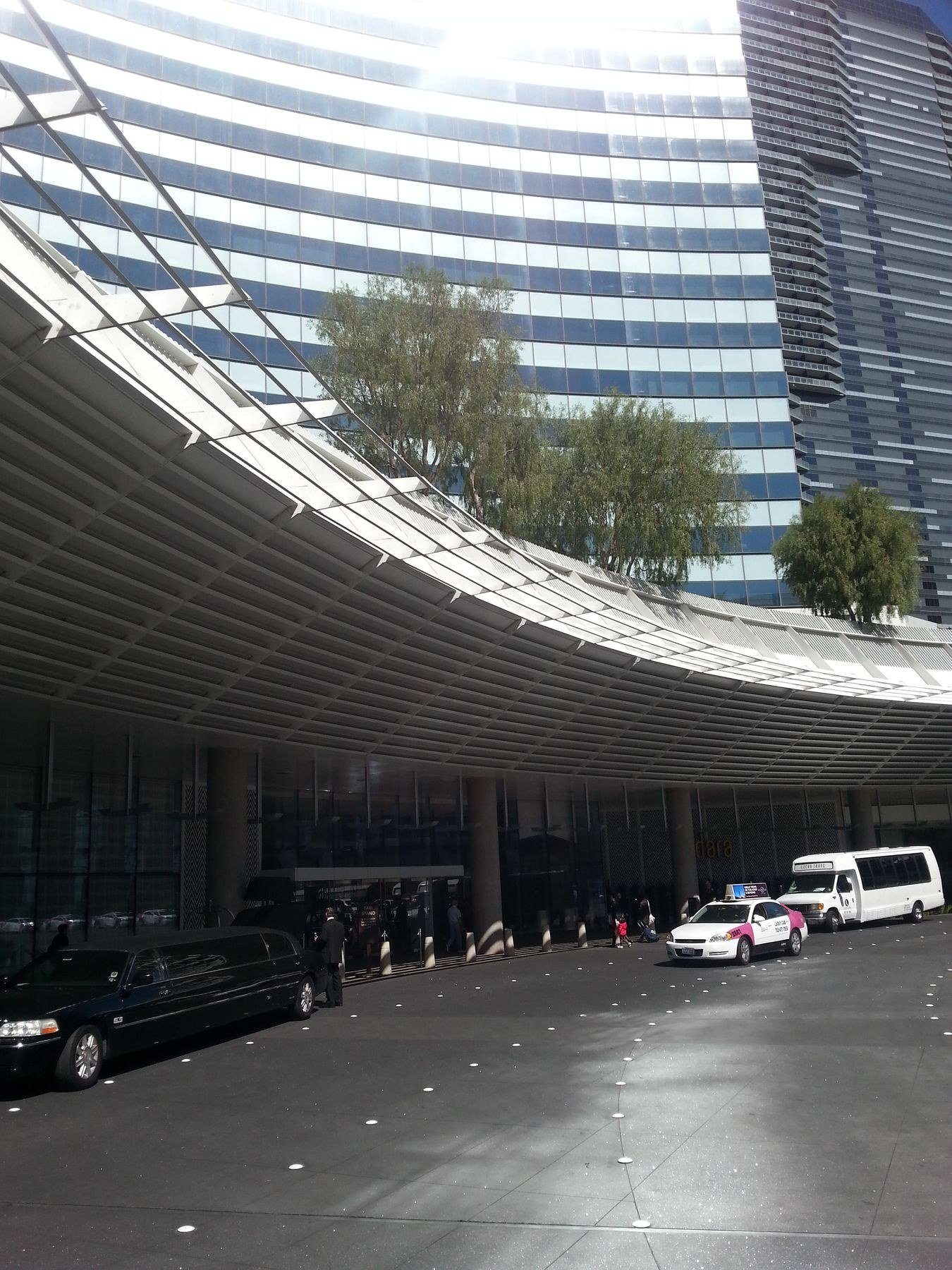
On highly curved or faceted buildings, relatively modest differences in reflectance can produce a large change in peak exposure once the geometry concentrates the rays. This is why glazing selection cannot be separated from form. A designer may choose a coating for colour, neutral appearance or internal solar control without recognising that its exterior reflectance is being multiplied by the shape of the building. The same concern applies to tolerance. The built surface is not an abstract mathematical curve; it is a collection of panels installed with joints, offsets and allowable deviation. Those differences can spread or shift a predicted focus. Good analysis should therefore identify not just a single theoretical hot spot but a range of plausible conditions. The purpose is not to eliminate all reflection, an impossible goal, but to keep intensity and duration within acceptable limits for the environment around the building.
Model early enough to change the architecture
The most effective mitigation is almost always available before the façade is procured. Form can be adjusted to reduce concavity; panel angles can be modified; highly reflective materials can be relocated; and glass selection can be tested against the specific geometry. Once a building is complete, the options become more constrained and often more visible. Retrofits such as films or surface treatments can reduce reflectance, but they may change colour, transparency, durability or warranty conditions. External shading can interrupt the reflected path but introduces structure, maintenance and architectural consequences. Landscaping may protect a limited receptor but does not solve a beam that moves across several properties. Early simulation gives the team the largest design space and lets the issue be solved as architecture rather than treated as a defect.
Reflectivity belongs in façade risk reviews
The broader lesson is methodological. Solar reflectivity should be considered whenever a project combines smooth reflective materials with curvature, large uninterrupted areas of glazing, strong solar exposure or sensitive surroundings. Roads, pools, terraces, historic façades, landscaped roofs and neighbouring towers can all be vulnerable receptors. A useful study does not need to begin as an elaborate forensic exercise. It can start with a screening model that identifies whether reflected rays converge and where they travel. If the geometry shows a credible risk, the analysis can then become more detailed, incorporating material properties and realistic solar conditions. This staged approach makes reflectivity another manageable façade variable. The risk becomes expensive only when it is discovered after the building has begun affecting the world around it.
A reflectivity study also needs a clearly defined threshold for action. Not every bright reflection is hazardous, and the analysis should distinguish momentary visual brightness from sustained heat exposure. Duration, intensity, receptor type and frequency all matter. A road user encountering glare for several seconds has a different risk profile from planting exposed to a concentrated beam for hours. Establishing those receptor categories early helps the team decide where detailed modelling is justified and which design changes produce meaningful benefit.
The most useful outcome is therefore not a dramatic rendering of a reflected beam but a design rule the team can carry forward. A particular concave radius may need lower-reflectance glazing; a terrace may need to be shifted out of the predicted path; a metal soffit may need a more diffuse finish. These are relatively small architectural decisions when identified during design. Montes’s examples make the cost of delay clear: once neighbouring property, public space or landscape is being damaged, mitigation becomes a retrofit problem with fewer options and greater reputational risk. Solar reflection belongs in the same early façade risk review as thermal bridging, water penetration and movement because it is governed by equally predictable physical behaviour.
There is also a communication benefit to visualising the reflection path. Owners and design teams can struggle to understand why a façade that looks harmless in a static rendering might create an intense condition only at one hour of the afternoon. Mapping the moving beam across representative days makes the issue concrete and allows architects, façade engineers, landscape designers and neighbours to discuss the same risk. That common picture can prevent late disputes over whether the effect is caused by glass, geometry or some unrelated site condition.
For procurement, exterior reflectance should be preserved as a controlled property rather than allowed to drift during value engineering. A substitute coating can match colour and solar heat-gain coefficient while differing materially in exterior reflectance. On a sensitive geometry, that difference can change the predicted intensity. The reflectivity study therefore needs to be tied back to the final glass make-up and any later substitution reviewed against the same model. The physical problem is deterministic enough that a project can manage it, provided the analysis remains connected to the material that is actually purchased.