Shane Hart set out why bespoke façade screening carries risks that window and cladding testing never looks for, from wind noise and fatigue to hardware failure, and why a new Australasian quality assurance manual now gives specifiers a standard to call up.
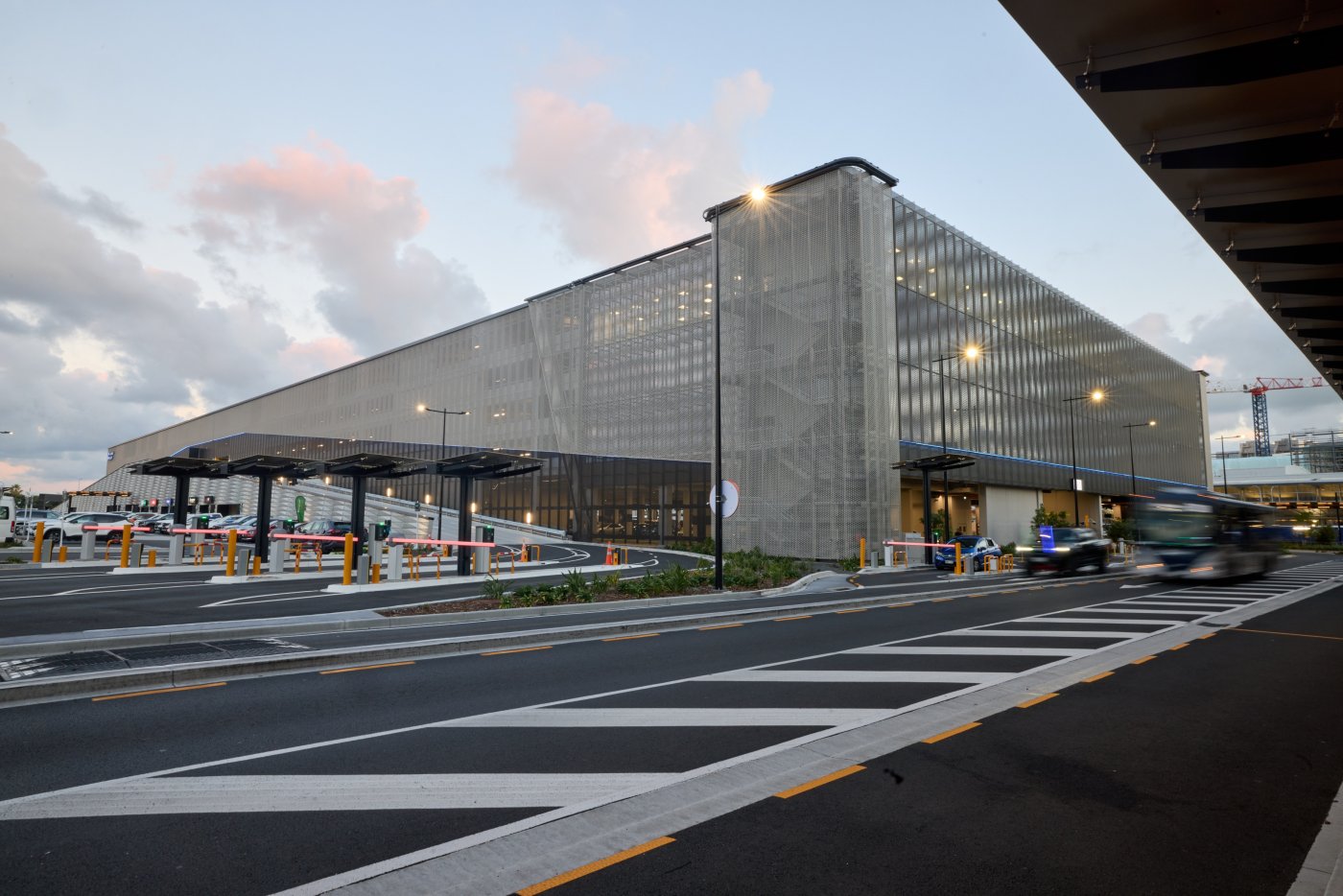
External façade screening sits in an awkward gap in the testing world. Hart, whose company designs, tests, supplies and installs bespoke feature façades and screening, drew the distinction sharply: this is not joinery and it is not cladding. Physical testing of joinery is well understood and concentrates on air tightness, weather tightness, fire and safety. Screening is porous by nature, so the question that matters is how wind interacts with the object. He described the typical applications, large areas of parking structures, stadiums and data centres where screening beautifies while still allowing ventilation, and offices, hotels and apartments where it delivers shading, privacy and the architectural expression the designer is after.
The problems, in Hart's account, follow from that gap. Contractors tend to focus on leak testing, safety and fire, all necessary, while other risks go unconsidered. Façades are not always engineered as a complete system, with the glazing and the external screening treated separately. Simulated loads do not always replicate serviceability conditions, and complex elements can be difficult to calculate or simulate at all. Until recently there was no test standard that applied to bespoke feature façades. As with most things in construction, he noted, the risk cascades down to the bottom, or is left to the last man standing.
When buildings sing
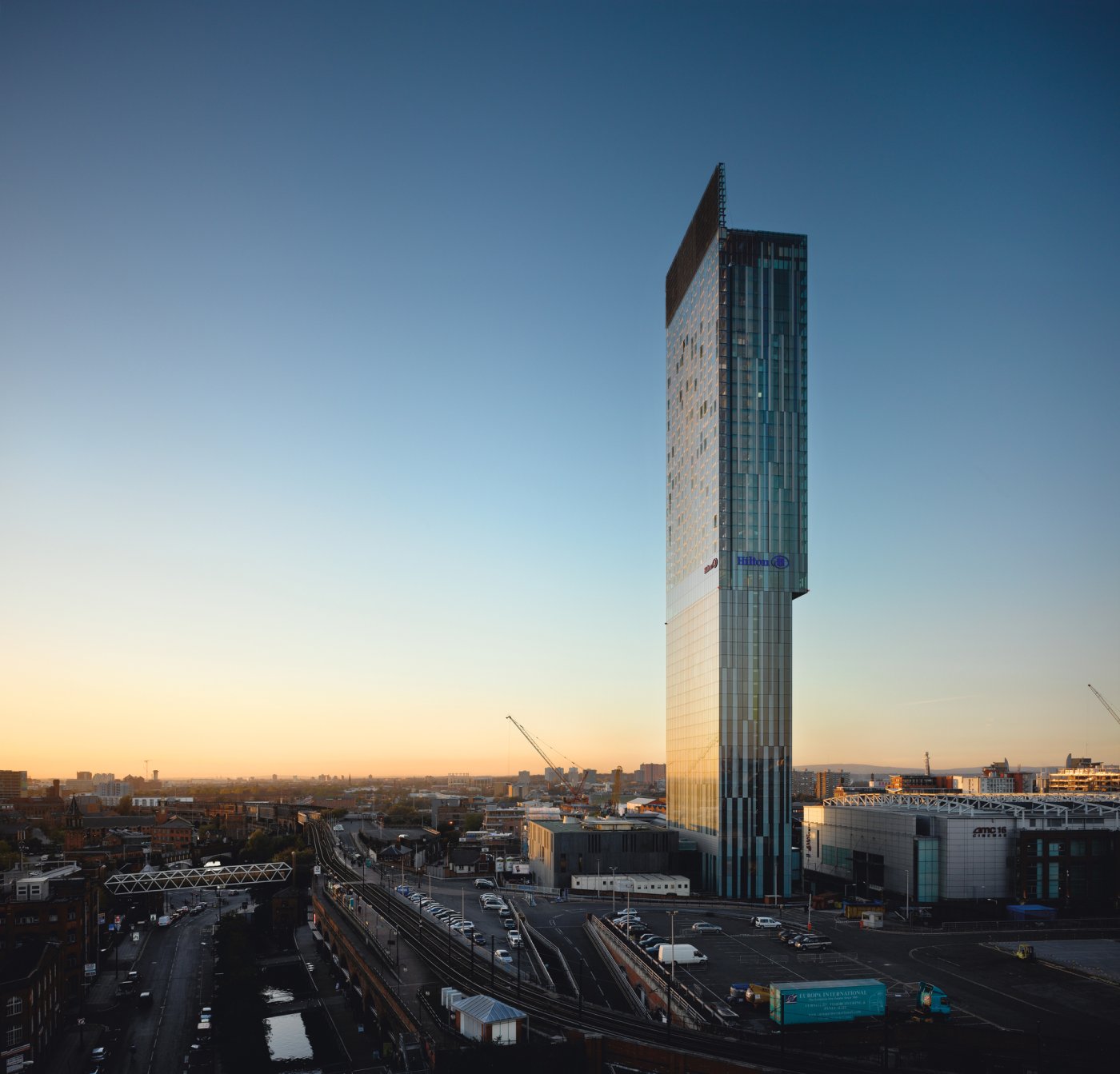
The failure mode Hart returned to most often is noise. Buildings that make noise become publicly infamous, and wind noise issues are, in his words, expensive to mitigate and litigate. He cited the Beetham Tower in Manchester, a 47-storey structure completed in 2006 and one of the first skyscrapers outside London, whose nine-metre feature fin of glass louvres vibrates in the wind; by his own rough calculation, around 100,000 people are affected every time it sings. The Golden Gate Bridge offered a second case, where replacing railings with flat bars on the western side to reduce wind loading effectively turned the bridge into a giant tuning fork, and the work was halted. Aeroacoustic noise from thin slats at close centres, he said, is a fairly common risk that has to be designed out.
Hart also presented one of his own company's failures. During installation of folding screens on an apartment building, wind wrenched a screen off the structure after the folding hardware, specified from a third-party supplier, failed. The supplier maintained the product had been used outside its intended application, leaving the installer carrying the can. Nobody was hurt, but the lesson was that a screen must be designed and engineered as a complete system rather than in parts.
Testing at one to one
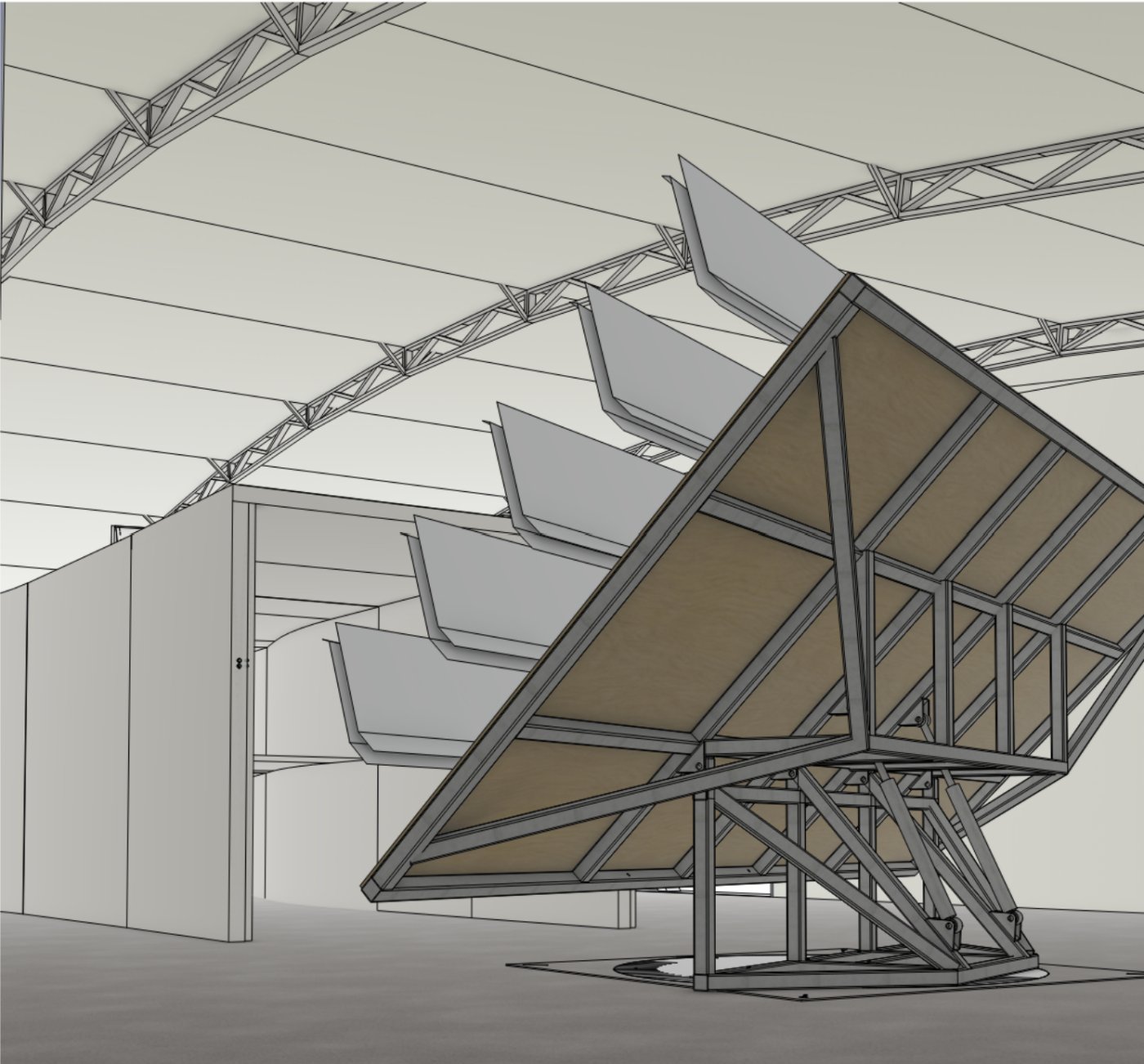
Wind loads can be calculated and structural loads simulated, but Hart argued the other effects of wind are not so easily predicted, and the ultimate mitigation is a full-scale test. Few wind tunnels are set up for it, so the company commissioned its own in 2019, with 1.5 megawatts driving four fans, delivering over 500 cubic metres of air per second through a four-metre open jet that can be nozzled down to three metres to push velocities close to 50 metres per second.
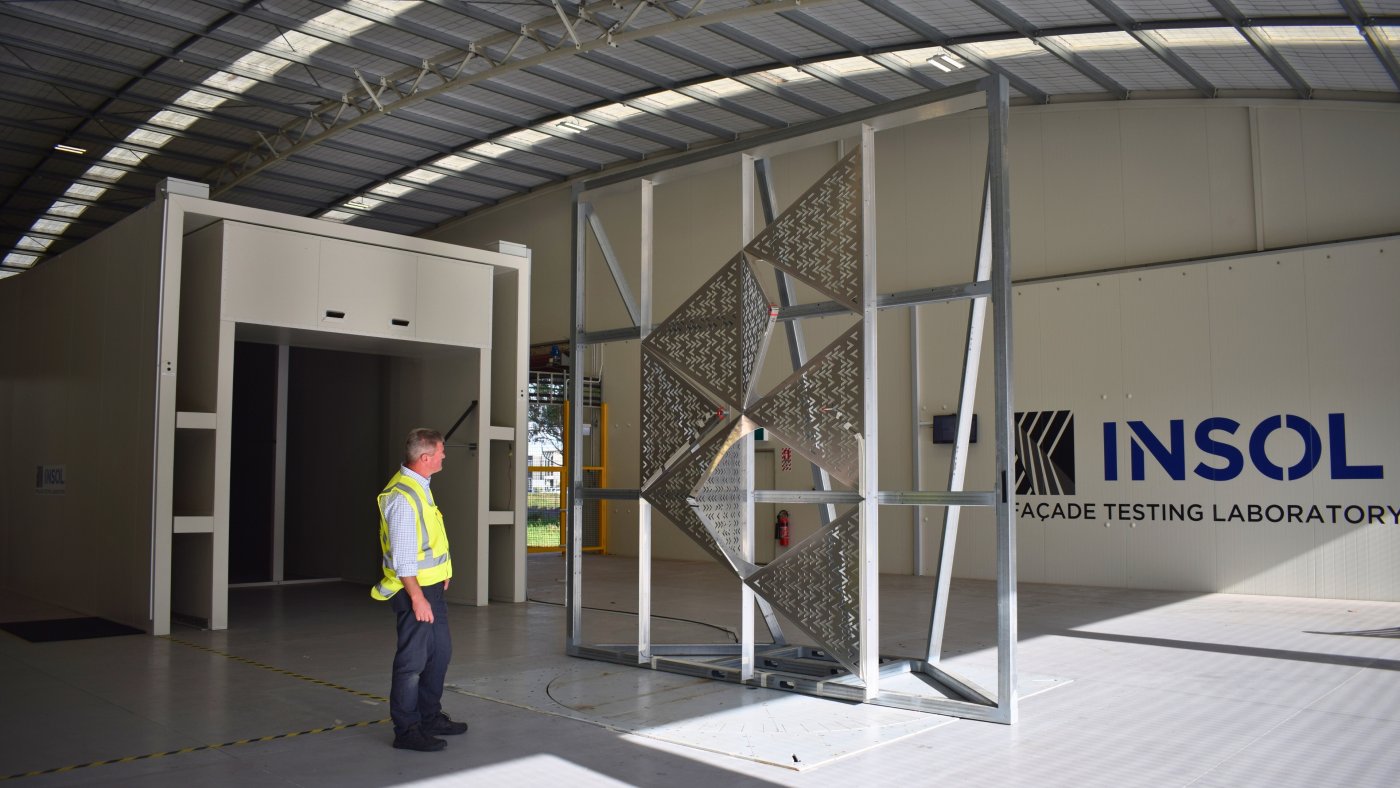
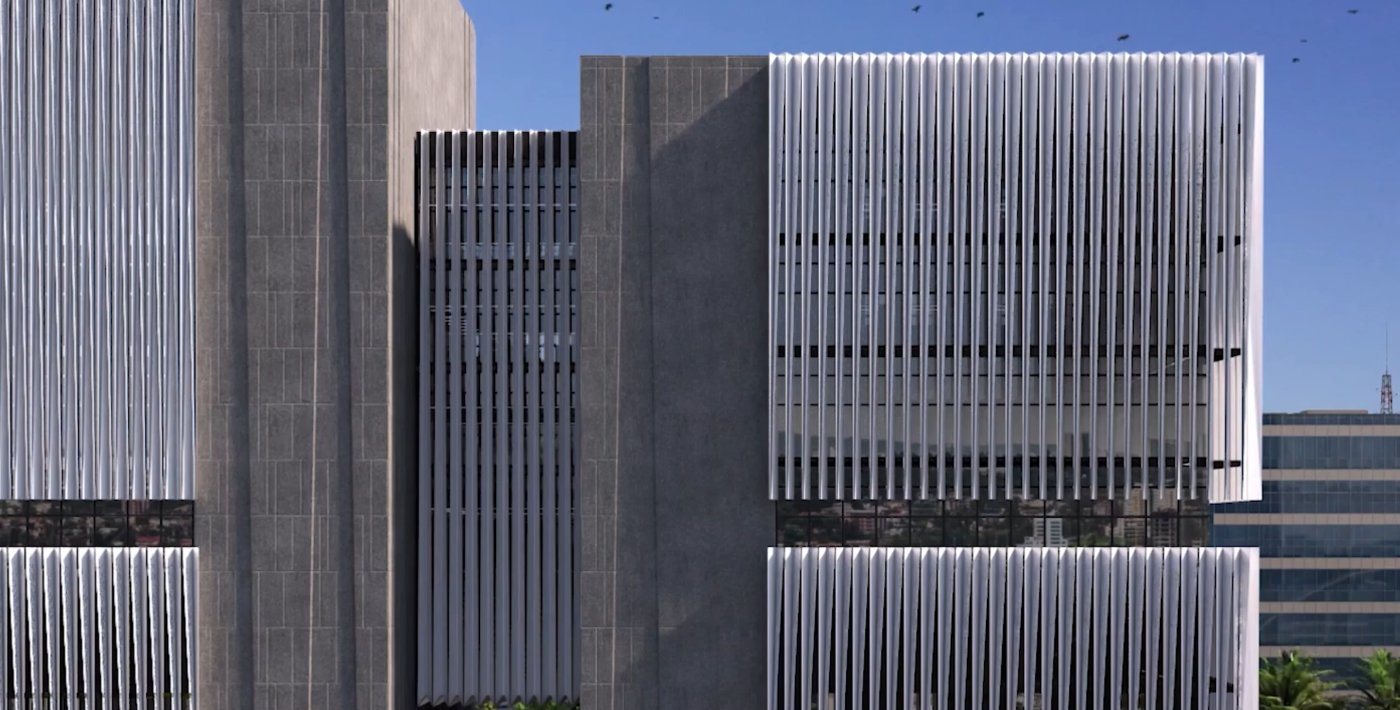
The Auckland International Airport transport hub showed the value of that early. On an exposed site with little surrounding terrain, wind noise and rattling were raised early in design; the first panels did generate noise, and an iterative process with the architect produced a perforation pattern that stayed quiet and met the intended appearance. At the University of Canterbury post-production building, where recording stages give a tolerance for wind noise of zero, over 700 triangular perforated panels project at varying angles and the fins are being tested.
A standard to specify
Hart pointed to the quality assurance manual published last year by the Australasian Wind Engineering Society as the test to specify for complex façades. It complements existing standards rather than replacing them, is designed to expose wind noise, flutter and other serviceability issues, and, he believes, has no global equivalent. What it does not say is when to test. Testing typically happens at design and shop drawing stage, and his closing argument was that catching issues then costs far less than fixing them later: specify the standard, test early, and pair it with visual mock-ups where possible.